

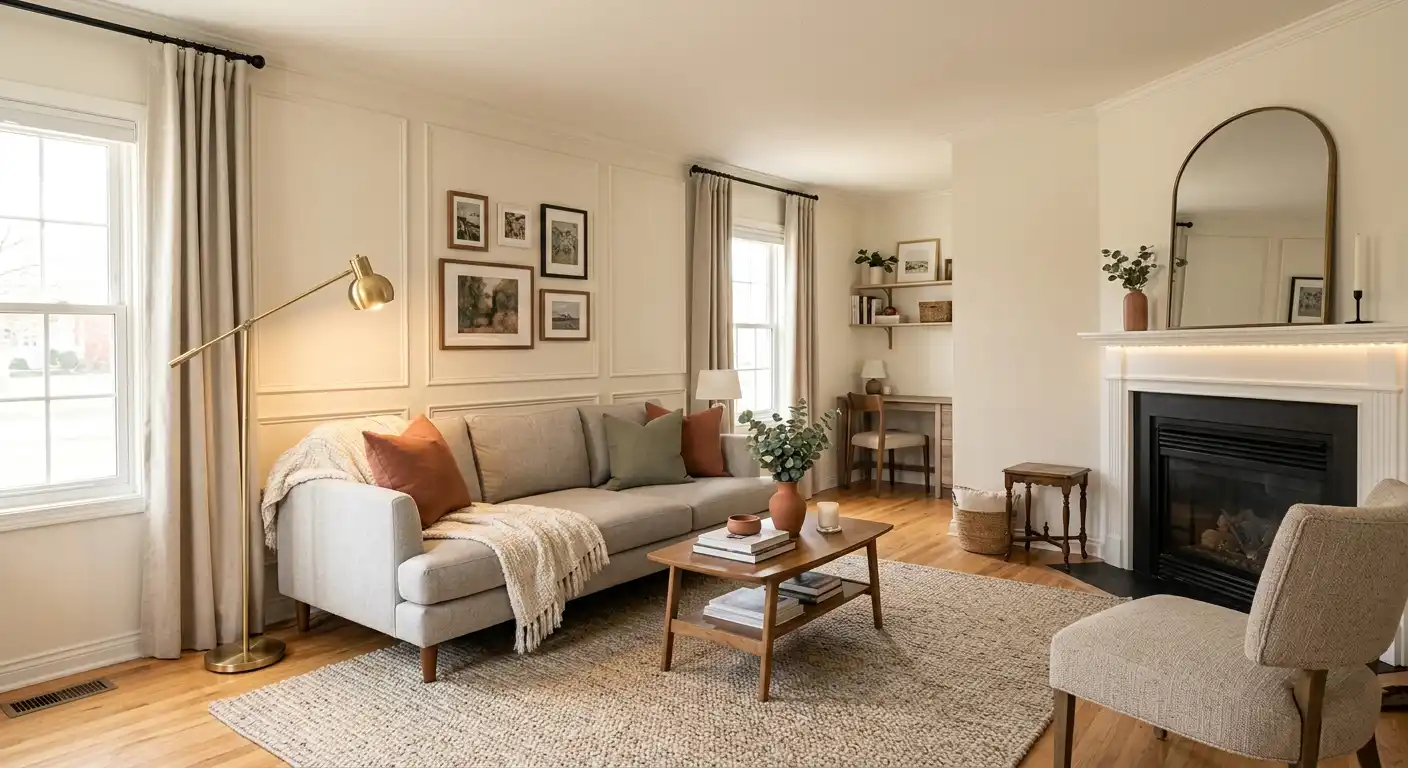
When you start planning a room refresh or a complete home makeover, finding inspiration is rarely the main hurdle. The real challenge is bridging the gap between high end mood boards and real world execution. Standard interior design platforms frequently showcase custom furniture, massive budgets, and structural alterations that are not realistic for everyday homeowners or renters.
This is where the practical approach behind pushyourdesign.com interior design comes into play. By focusing on functional room makeovers, low cost architectural tweaks, and smart spatial planning, this platform serves as an actionable framework for home styling.
Whether you want to maximize a cramped apartment layout or execute a clean weekend aesthetic upgrade, understanding how to apply these actionable principles will help you create a space that feels intentional, comfortable, and tailored to your daily routine.
What Sets pushyourdesign.com Interior Design Apart
Most traditional design websites act either as high end digital magazines or direct pipelines to expensive professional consulting services. The core philosophy of pushyourdesign.com interior design shifts the focus toward empowering DIYers, renters, and budget conscious homeowners.
Instead of pushing costly structural overhauls, the platform emphasizes four foundational pillars.
First, functional spatial layouts take priority. You arrange traffic flow and multi functional zones long before buying new furniture.
Second, high impact DIY upgrades keep costs manageable. Strategic modifications like paint accents, hardware swaps, and custom wall moulding deliver high visual return for minimal investment.
Third, smart budget allocation guides your spending. Knowing exactly where to invest your money for long term durability versus where to source affordable accent pieces protects your wallet.
Fourth, cohesive style integration prevents visual clutter. You can blend distinct decor styles such as Japandi, Industrial, or Modern Farmhouse without creating visual chaos.
Four Practical Design Strategies You Can Apply Immediately
Transforming a room does not require a five figure renovation budget. Applying systematic styling principles allows you to achieve a polished look through small, calculated decisions.
1. Optimize Room Flow Before Buying Furniture
The most common mistake people make during a room refresh is purchasing a couch, rug, or dining set simply because it looks good online, without measuring the functional clearance.
Keep main pathways at least 36 inches wide to ensure comfortable movement through living areas. Position your primary seating relative to the natural focal point of the room, such as a fireplace, picture window, or accent wall, rather than pushing all furniture flat against the walls. Avoid oversized sectional sofas in rooms under 150 square feet. Opt for raised leg furniture to expose more floor area, creating an optical illusion of space.
2. Strategic Lighting Layering
Standard builder grade overhead lighting flattens a room and casts harsh shadows. A key standard in pushyourdesign.com interior design resources is utilizing three distinct light layers.
Ambient light provides overall baseline illumination through recessed lights, ceiling flush mounts, or natural sunlight. Task light delivers focused illumination for specific activities using under cabinet LED strips, desk lamps, or reading sconces. Accent light creates depth and highlights architectural features using picture lights, dimmable floor lamps, or LED cove lighting.
For a quick, low cost lighting upgrade, swap cool white bulbs (4000K to 5000K) for warm white bulbs (2700K to 3000K). Adding smart dimmers instantly changes the atmosphere of a room without changing a single piece of furniture.
3. Build a Timeless Color Palette with the 60 30 10 Rule
Color selection can easily feel overwhelming when dealing with hundreds of paint swatches. Using a classic ratio keeps the visual distribution balanced.
Allocate 60 percent of the room to a dominant base. This includes walls, large area rugs, or primary upholstered pieces, typically in a neutral tone like cream, soft grey, or warm beige.
Allocate 30 percent of the room to a secondary shade. Use curtains, accent chairs, or wood cabinetry to add texture and subtle contrast.
Allocate 10 percent of the room to an accent color. Throw pillows, artwork, vases, or hardware allow you to experiment with bolder shades like terracotta, forest green, or deep brass.
4. High Impact Low Cost Weekend Upgrades
If you want quick results, focus on high touch surfaces. Swapping out cheap cabinet pulls for brushed brass or matte black hardware immediately elevates kitchen and bathroom vanities.
Similarly, installing board and batten paneling or picture frame moulding using inexpensive MDF strips gives plain drywall an architecturally custom look for under 150 dollars in materials.
Common Interior Design Mistakes to Avoid
Even with the best inspiration, small oversights can ruin the balance of a room. Keep these common traps in mind during your project.
Hanging artwork too high is a frequent error. The center of a picture frame or gallery wall should sit roughly 57 to 60 inches from the floor at eye level. Hanging art too high disconnects it from nearby furniture.
Undersized area rugs also disrupt visual proportions. A rug that only sits beneath the coffee table makes a living room feel fragmented. Ensure at least the front two legs of all major seating pieces rest comfortably on the rug.
Ignoring window treatment height reduces perceived space. Mounting curtain rods directly above the window frame cuts off visual height. Hang rods 4 to 6 inches above the frame, or just below the ceiling line, to make low ceilings feel taller.
Over accessorizing creates unnecessary visual clutter. Avoid filling every flat surface with small trinkets. Group decor items in odd numbers like sets of three or five and vary their heights to create organic visual interest.
Sourcing and Budgeting: Where to Spend vs. Where to Save
A well designed room mixes high quality foundational investments with budget friendly accent pieces.
Invest in items that endure heavy physical wear. When building a space using pushyourdesign.com interior design methods, prioritize your main sofa, mattress, and main living room rug for higher spending. These items dictate physical comfort and daily usability.
Save money on trend driven accessories. Items like accent pillows, wall art, small side tables, and seasonal table settings can easily be sourced at lower prices and swapped out every few years without financial strain.
Practical Next Steps for Your Home Project
Instead of trying to redesign an entire house all at once, choose a single room such as an entryway or small home office and follow this clear plan.
First, clear small decor, measure your space, and sketch a basic floor plan with door swings and windows marked. Second, identify the primary purpose of the room and list the essential furniture items required. Third, choose one main neutral wall tone, one secondary wood or fabric texture, and one accent color. Fourth, adjust light bulb temperatures, re anchor your rug, and raise curtain rod heights before buying anything new.
By breaking down the process into clear, manageable steps, pushyourdesign.com interior design principles allow you to create a stylish, functional home that fits your real world budget and daily life.