
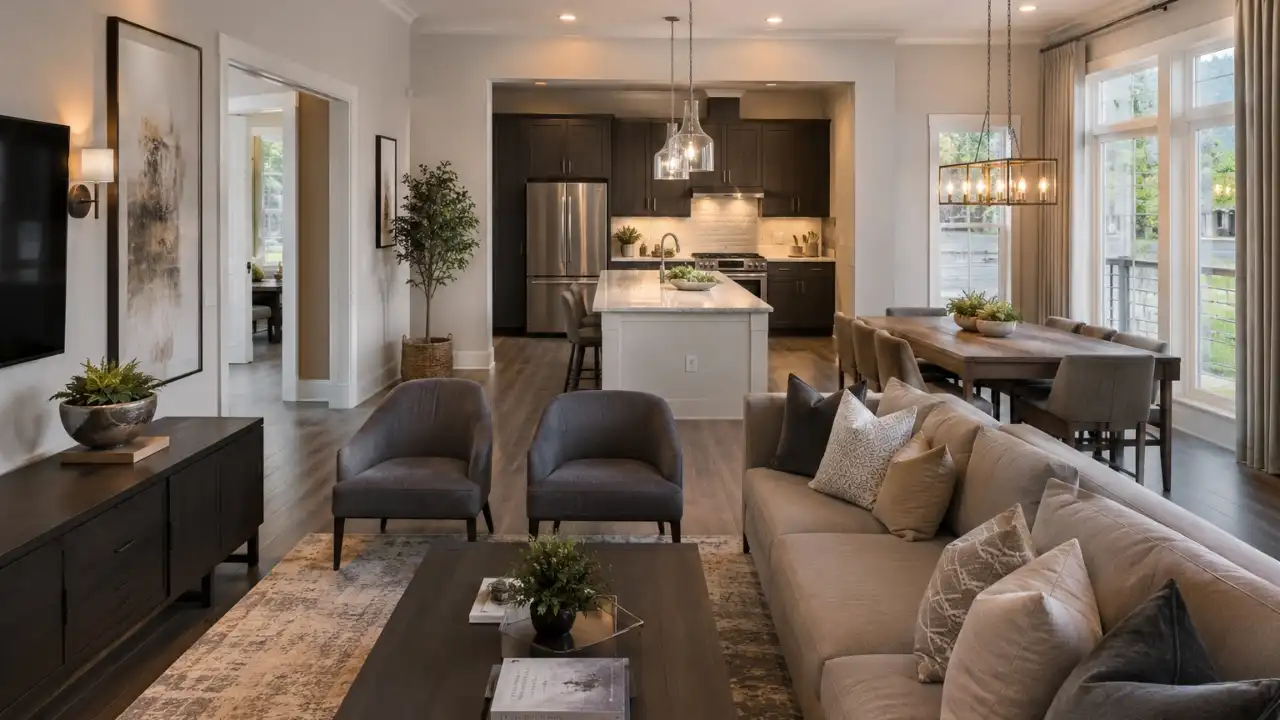
Modern interiors are no longer about filling a room with expensive furniture or following every trend on social media. A well-designed home should make everyday life easier, feel comfortable, and reflect the people who live there. That means choosing layouts, colours, lighting, storage, and materials based on how a space actually works. Interior design pushyourdesign takes this practical approach by connecting visual appeal with everyday function. Whether you are updating a tired living room, improving a compact flat, or planning a larger renovation, the strongest results usually come from thoughtful decisions made before buying anything.
This guide explores practical ideas for creating modern interiors, planning a project, controlling costs, and avoiding common mistakes that can affect the final result.
Key Takeaways
- Good interior design starts with how people use a room, not with furniture or decoration.
- Modern homes benefit from flexible layouts, layered lighting, useful storage, and durable materials.
- A realistic budget should include the cost of products, labour, delivery, and unexpected changes.
- Natural light and ventilation should influence design decisions from the beginning.
- Small improvements can transform a room without requiring a complete renovation.
- Larger projects may require professional advice about building regulations, planning, or specialist trades.
What Makes a Modern Interior Work?
A modern interior does not have to look cold, minimalist, or ultra-fashionable. The best spaces combine function, comfort, personality, and visual balance.
Start by asking a simple question: What needs to happen in this room?
A living room might need to support family gatherings, television viewing, reading, and occasional home working. A bedroom may need better storage and a calmer atmosphere. A kitchen might need to handle cooking, dining, homework, and socialising at the same time.
These different requirements should shape the design.
With interior design pushyourdesign, the emphasis should be on understanding the relationship between the room and the people using it. For example, placing a large sofa in front of a frequently used doorway may look attractive in a photograph but create frustration every day. A slightly smaller sofa with a better circulation route could deliver a much stronger result.
Good design often means choosing what works best rather than what simply looks impressive.
Start With Layout Before Choosing Décor
One of the most effective ways to improve a room costs nothing: reconsider the layout.
Before buying furniture, measure the space and mark doors, windows, radiators, sockets, and important walkways. Then consider how people move through the room.
For a small lounge, pushing every piece of furniture against the walls may not always create the most useful arrangement. A compact sofa, occasional chair, and small side table can sometimes create a more comfortable conversation area while leaving enough space to move around.
In open-plan homes, furniture can also help define zones. A sofa can separate a sitting area from a dining space, while a rug can visually anchor one part of the room.
This is where interior design pushyourdesign can become more than a decorating exercise. The goal is to make the available space work harder without making it feel overcrowded.
Use Lighting to Change the Atmosphere
Lighting plays a major role in how a room feels, yet homeowners often consider it too late.
A modern lighting plan should normally include several layers:
- Ambient lighting for general illumination
- Task lighting for activities such as reading or cooking
- Accent lighting to highlight artwork, shelves, or architectural features
For example, a kitchen could combine ceiling lighting with under-cabinet lights and a pendant above an island. A bedroom might use a central light alongside bedside lamps and subtle accent lighting.
Think about natural light, too. Furniture placement should not unnecessarily block windows, while mirrors can help reflect available daylight around a room.
Energy efficiency also deserves attention. Government guidance for England highlights the importance of energy efficiency and ventilation when improving homes, with current Approved Document L guidance covering energy and greenhouse gas emissions for dwellings.
Choose Materials for Real Life
Beautiful materials can quickly lose their appeal if they cannot cope with everyday use.
A busy family may need stain-resistant upholstery and hard-wearing flooring. A home with pets may benefit from easy-clean fabrics and durable surfaces. In a rental property, removable finishes and flexible furniture may make more sense than permanent alterations.
Think about maintenance before making a purchase.
Ask:
- How often will this surface need cleaning?
- Can the material handle moisture?
- Will it show scratches easily?
- Can individual parts be repaired or replaced?
- Does the product suit the room’s level of use?
This practical thinking creates interiors that continue to look good after the initial excitement of a renovation disappears.
Make Storage Part of the Design
Clutter can make even a beautifully decorated room feel uncomfortable.
Instead of treating storage as an afterthought, include it in the initial design. Built-in cupboards can make use of awkward corners, while floating shelves can provide useful storage without taking up floor space.
In a narrow hallway, a slim console with drawers may provide a place for keys and everyday items. In a bedroom, full-height wardrobes can use vertical space more effectively than several small cabinets.
The best storage solutions often combine open and closed options. Closed cupboards hide visual clutter, while carefully selected open shelving allows homeowners to display books, artwork, plants, or personal objects.
Build a Realistic Budget
A successful interior project needs more than a shopping list. Homeowners should consider the complete cost of the work.
Depending on the project, the budget may include:
- Furniture and décor
- Flooring and wall finishes
- Lighting and electrical work
- Joinery and storage
- Delivery charges
- Installation
- Professional design fees
- Waste removal
- Specialist trades
For larger renovations, keep a contingency fund for unexpected issues. Older properties, in particular, can reveal problems once walls, floors, or ceilings are opened.
A useful approach involves dividing the budget into three categories: essential, desirable, and optional. If costs increase, you can protect the essential work while postponing decorative upgrades.
With interior design pushyourdesign, a clear budget should guide decisions from the beginning rather than becoming an issue near the end of the project.
Think About Ventilation and Comfort
A modern interior should look good, but it should also provide a healthy and comfortable environment.
This becomes particularly important when homeowners replace windows, improve insulation, or make a property more airtight. UK government guidance explains that energy-efficiency improvements should not make home ventilation worse, as sealing gaps can reduce existing sources of fresh air.
For this reason, ventilation deserves attention during renovation planning. Do not block extractor fans, cover ventilation openings, or make changes that interfere with existing systems without understanding the consequences.
The principle is simple: design the room and the building together.
Know When You Need Professional Help
Not every interior update requires an architect or designer. Painting walls, replacing soft furnishings, and rearranging furniture are usually straightforward.
However, larger projects may involve structural changes, new plumbing, electrical alterations, fixed air conditioning, or other work covered by building regulations. GOV.UK advises homeowners to check approval requirements before certain alterations, and building regulations approval is separate from planning permission.
Planning rules can also become more complicated for listed properties or projects that affect the external appearance of a building. Homeowners should check the relevant requirements before work begins rather than relying on assumptions.
A professional can also help when you struggle to make decisions. A good designer should not simply choose products for you. They should explain why a particular layout, material, or lighting solution suits your needs.
A Simple Process for Better Results
A practical interior project can follow this sequence:
1. Define the problem: Identify what currently does not work.
2. Set priorities: Decide which improvements matter most.
3. Measure the space: Record dimensions, openings, fixed features, and services.
4. Create a layout: Test furniture positions before buying anything.
5. Establish a budget: Separate essential spending from optional upgrades.
6. Select materials: Consider durability, maintenance, appearance, and cost.
7. Plan lighting: Combine natural light with suitable artificial lighting.
8. Check technical requirements: Confirm whether building regulations or other permissions apply.
9. Order carefully: Check dimensions, lead times, delivery access, and return policies.
10. Review the finished room: Make small adjustments after living in the space.
This structured approach reduces rushed decisions and helps homeowners focus on improvements that deliver genuine value.
Final Thoughts
The strongest modern interiors do not necessarily depend on large budgets or expensive designer products. They come from understanding how people live and then making deliberate choices about space, light, storage, materials, and comfort.
Interior design pushyourdesign is best understood as a practical design philosophy that puts real-life use alongside visual appeal. Whether you are refreshing one room or managing a larger renovation, start with the problems you want to solve rather than the trends you want to copy.
A well-planned home should look personal, function naturally, and remain comfortable long after the latest design trend has disappeared. That is the real difference between simply decorating a room and creating an interior that works.