

Good design is not defined by expensive furniture, fashionable decorations, or perfectly matching colours. It comes from understanding how different elements work together to create a space that feels comfortable, looks appealing, and supports everyday activities. From choosing the right furniture to planning lighting and storage, every decision contributes to the final result.
The idea behind designs encompass pushyourdesign encompasses attention to the many parts of home design that homeowners should consider before changing a room or renovating an entire property. A well-planned interior balances appearance and practical needs. A beautiful living room, for example, should provide enough seating, allow easy movement, and offer suitable lighting for different activities.
For homeowners looking for fresh ideas, understanding these design elements can make decorating decisions easier. It also helps prevent unnecessary purchases and expensive changes later.
What Does Designs Encompass PushYourDesign Mean?
The phrase describes a broad way of looking at design rather than one specific decorating style. It suggests that good design involves several connected elements, including space planning, furniture, colours, lighting, materials, textures, and personal preferences.
Each element has a different purpose, but none works entirely on its own. Consider a small bedroom with dark walls and large furniture. Even if every item looks attractive on its own, the room may feel crowded. Adjusting furniture proportions, improving lighting, and introducing lighter surfaces can make the same space feel more balanced.
This is why homeowners should look at the entire room before making individual decorating choices.
The Main Elements That Shape Good Home Design
1. Space Planning and Room Layout
Space planning determines how people move through and use a room. Make it one of the first considerations in any home design project.
Before buying furniture, measure the available floor area and note the position of doors, windows, radiators, and electrical outlets. These details can affect where larger pieces should go.
For example, placing a large sectional sofa in a narrow living room may leave little room to walk comfortably. A smaller sofa with an additional chair could provide similar seating without making the room feel restricted.
Good space planning should consider:
- Clear walking paths between furniture.
- Enough room to open doors and drawers.
- Convenient access to frequently used items.
- Furniture sizes suited to the available floor area.
- Natural movement between different parts of the room.
Leaving some areas empty is not necessarily a waste of space. It can make a room easier to use and draw more attention to key furniture pieces.
2. Colour Selection and Visual Balance
Colour affects how a room looks and feels. Light shades can help reflect available daylight, while darker colours can introduce depth and create a more intimate atmosphere.
A practical approach is to choose one main colour, add one or two supporting shades, and use smaller accents for contrast. This creates a consistent appearance without making every surface look identical.
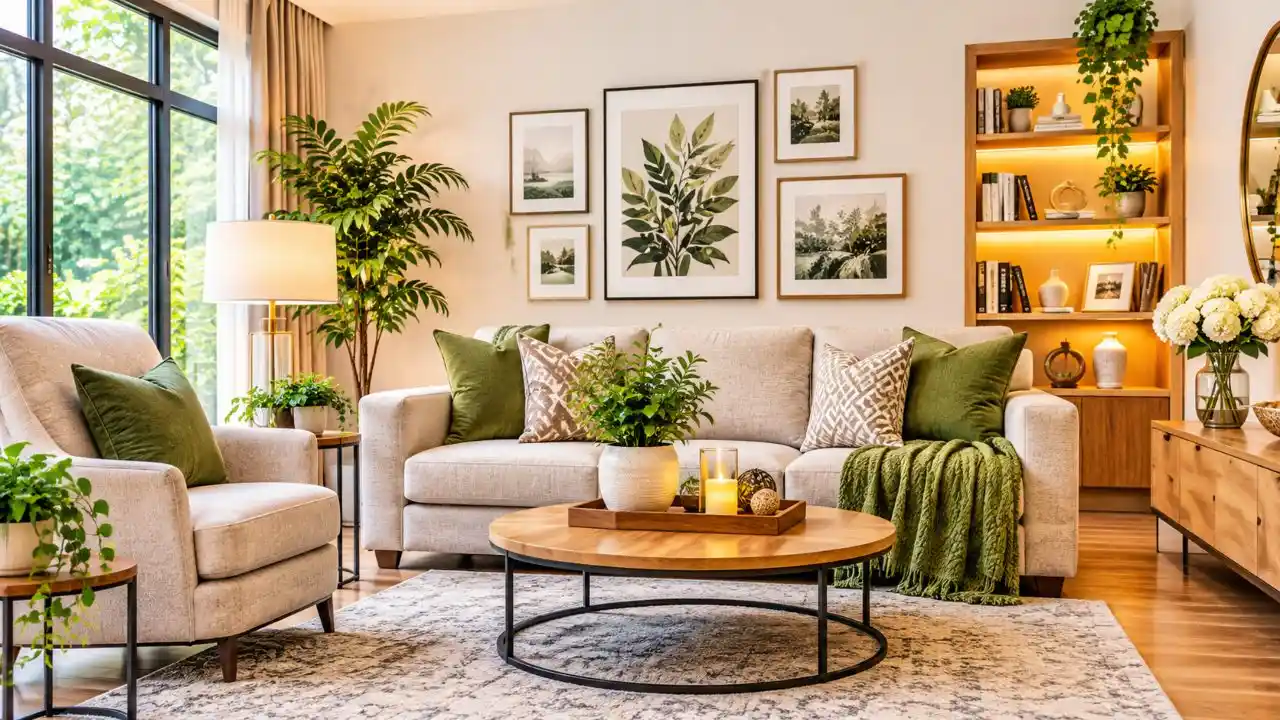
For instance, a living room might combine warm white walls, natural wood furniture, beige upholstery, and a few dark green accessories.
However, always check paint samples in the actual room. A shade that looks warm in a store may appear cooler under different lighting conditions. Testing a small area before painting every wall can prevent disappointment.
3. Lighting for Different Activities
Lighting is often overlooked during decorating, even though it can change a room’s appearance and usefulness.
Most rooms benefit from three types of lighting:
- Ambient lighting: Provides general illumination through ceiling fixtures or other main light sources.
- Task lighting: Helps with activities such as reading, cooking, working, or applying makeup.
- Accent lighting: Highlights artwork, shelving, architectural details, or decorative features.
For example, a kitchen needs sufficient light over preparation surfaces. A living room may benefit from a combination of ceiling lights, floor lamps, and table lamps.
Natural daylight should also influence the layout. Avoid placing bulky furniture where it unnecessarily blocks windows or reduces the amount of daylight entering the room.
4. Furniture, Materials, and Texture
Furniture should fit both the room and the people using it. Its appearance matters, but comfort, durability, maintenance, and storage capacity deserve equal attention.
Materials also affect how a home feels. Natural wood can introduce warmth, glass can create a lighter appearance, and metal finishes can add contrast. Soft furnishings such as wool rugs, cotton cushions, and linen curtains provide texture without requiring major structural changes.
When comparing furniture, consider:
- Whether the dimensions suit the room.
- How frequently the item will be used.
- Whether its material is easy to maintain.
- How well it works with existing furniture.
- Whether it offers practical storage or additional functions.
A stylish coffee table with sharp corners may not be the best choice for a household with young children. Similarly, delicate upholstery might require more maintenance than a busy family can manage.
How Different Rooms Require Different Design Decisions
Every room has its own purpose. Using the same layout and decorating approach throughout a property can create spaces that look consistent but don’t work particularly well.
| Room | Main design priorities |
|---|---|
| Living room | Comfortable seating, movement, lighting, and storage |
| Bedroom | Rest, privacy, bedside lighting, and clothing storage |
| Kitchen | Work surfaces, appliance placement, ventilation, and accessibility |
| Bathroom | Moisture-resistant materials, ventilation, and practical storage |
| Home office | Desk position, comfortable seating, task lighting, and cable management |
For example, a bedroom should not be planned like a home office. The bed needs a suitable position, while lighting should support a relaxing atmosphere. A home office, on the other hand, needs a functional desk arrangement and enough light for reading or computer work.
These differences explain why understanding a room’s purpose should come before choosing its decorative style.
Common Home Design Mistakes and How to Avoid Them
Some decorating problems happen because homeowners make decisions too quickly. A little preparation can prevent many of them.
Buying Furniture Without Measuring
A sofa may look appropriately sized in a showroom but overwhelm a smaller living room. Measure the available area and check the furniture dimensions before ordering.
Following Trends Without Considering Personal Needs
A popular decorating style may look attractive online, but it might not suit the property or household. Choose trends selectively rather than replacing everything whenever a new style becomes popular.
Ignoring Storage Requirements
Insufficient storage can quickly make an attractive room look untidy. Before finalising the layout, consider wardrobes, cabinets, shelves, and furniture with built-in storage.
Using Only One Type of Lighting
A single ceiling fixture may provide enough light for basic visibility but can leave corners dark and work areas poorly illuminated. Add suitable task and accent lighting where needed.
Spending the Budget on Decoration First
Decorative accessories are usually easier to purchase later. Prioritise essential furniture, repairs, lighting, and functional improvements before spending heavily on finishing touches.
A Practical Way to Plan Your Next Design Project
A clear process makes home improvement easier to manage, especially on a limited budget.
- Identify the problem: Decide what needs improvement. It might be limited storage, poor lighting, uncomfortable furniture, or an outdated appearance.
- Measure the space: Record room dimensions and fixed features before making purchases.
- Set a realistic budget: Separate essential expenses from optional decorative items.
- Choose a design direction: Select colours, materials, and furniture styles that suit the property.
- Plan the larger elements: Arrange furniture, storage, and lighting before adding accessories.
- Review the finished arrangement: Check comfort, movement, lighting, and everyday usability.
This approach also makes it easier to decide which improvements you can complete gradually instead of paying for everything at once.
How PushYourDesign Helps Readers Explore Home Design
PushYourDesign aims to make home design and improvement information easier for readers to understand and apply. Its subject areas include interior design, home décor, renovation planning, furniture selection, landscaping, DIY projects, and practical home improvement ideas.
For someone planning a room makeover, this type of information can help identify useful starting points and understand the decisions involved. Rather than choosing decorations without a clear plan, readers can explore different approaches to layout, colour, materials, and everyday functionality.
The concept of design encompasses pushyourdesign is particularly relevant when considering how these individual elements connect. A furniture choice affects available space, lighting influences how colours appear, and storage decisions affect how organised a room feels.
The best approach is to consider these relationships before spending money. Homeowners should also remember that design needs differ by property. A compact apartment, a traditional family house, and a modern open-plan home will not necessarily benefit from the same solutions.
Conclusion
Successful home design depends on thoughtful decisions rather than simply following popular decorating trends. Space planning, furniture, lighting, colours, materials, and storage all shape how a home looks and functions.
Designs encompass pushyourdesign is a useful way to explore these connected aspects of home improvement. Start with your space’s needs, set a realistic budget, and make bigger decisions before adding decorative details. With a little planning, even modest changes can make a room more comfortable, organised, and enjoyable to use.