

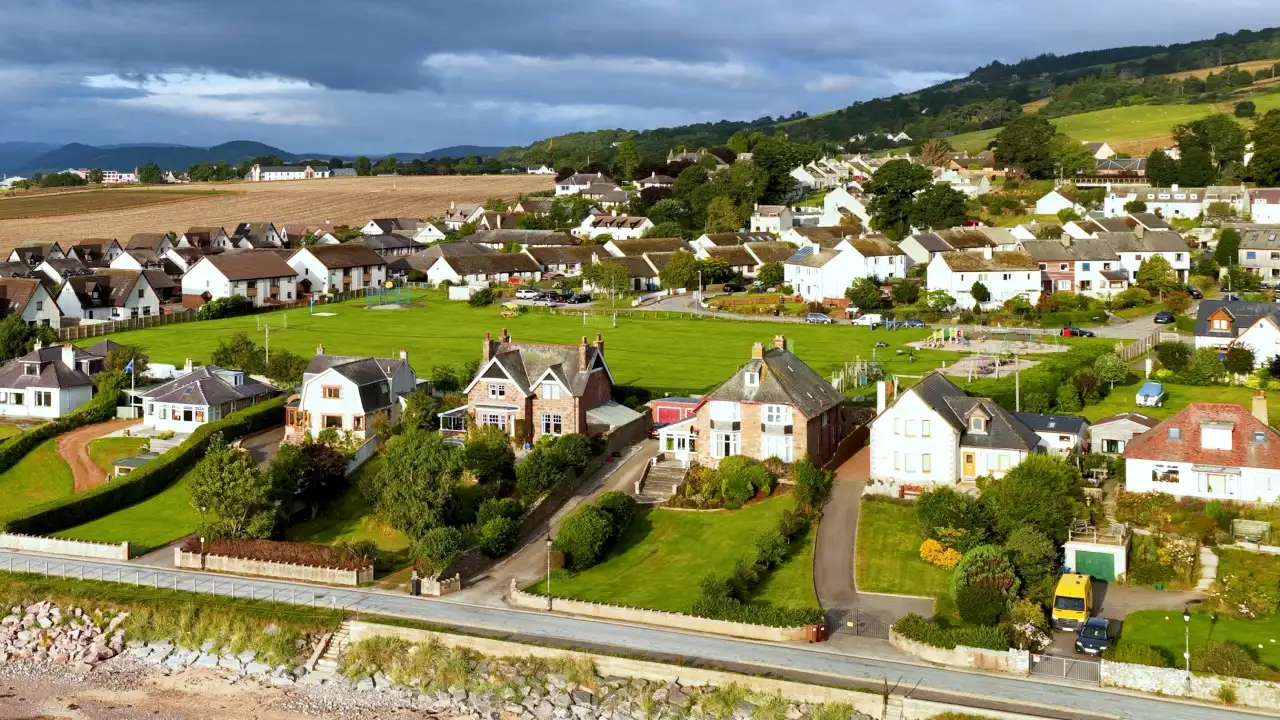
Ask a few retirees in Allestree or Mickleover why they didn’t head for the coast when the working years ended, and you’ll hear the same answer more often than not: everything they need is already close. That matters more than it sounds, especially for anyone who has started talking to estate agents in Derby for downsizers about swapping a big family house for something easier to run.
But convenience only explains part of it. Derby is compact enough to get around easily, yet large enough to have proper hospitals, theatres and rail links, and that mix suits people at this stage of life. The reasons tend to stack up in a fairly predictable order, beginning with the house itself.
Why a Smaller House Starts Making Sense
Rattling around in a four-bedroom house is a common complaint once the children have gone, and it tends to shift from irritation to genuine cost fairly quickly. Heating spare rooms, tackling a big garden and climbing the stairs all day add up. So a two-bedroom bungalow or a low-maintenance flat starts to look less like a compromise and more like sensible planning.
Derby’s housing mix happens to suit this well. Bungalows turn up regularly in suburbs such as Allestree, Littleover and Chellaston, while newer apartment developments have appeared closer to the centre. Whether you’d prefer a garden to potter in or a place you can lock up and leave for a month depends entirely on you, but having the choice is not nothing.
There’s an emotional side too, and it’s rarely mentioned in the brochures. A family home carries years of memories, so letting go takes longer than the paperwork suggests. Many people find the decision harder than the move itself, which is understandable, but it’s usually better to choose the timing yourself, while you’re fit and curious, than to have it forced on you by a bad winter.
Where the Money Goes Further
Then there’s the arithmetic. Property in Derby has historically been more affordable than in much of the South East, so a retiree selling a family home in a sought after suburb can often buy something smaller without much of the extra equity disappearing into the purchase price. Actual figures move from month to month, so I won’t quote any here, but the general pattern is familiar to most local agents.
That freed-up money matters more than people realise. It can top up a pension, pay for the travel that was always postponed, or sit as a cushion for later adaptations or care. To be fair, plenty of people downsize just to have less to look after, and the extra cash is a welcome side effect. Still, on a fixed income, that buffer is arguably the point.
Timing plays into it as well. Selling a larger home and buying a smaller one at roughly the same moment can be stressful, and a good local agent will usually think about sequencing before anything goes on the market. Chains, viewings and completion dates are dull, but they decide whether the whole thing feels calm or chaotic.
Getting About Without Relying on the Car
Money aside, Derby station is one of the city’s quieter advantages. East Midlands Railway trains reach London St Pancras in roughly an hour and a half, with connections to Nottingham and Sheffield, while CrossCountry services link Derby with Birmingham and places much further afield. For a retiree with grandchildren scattered across the country, that’s a practical benefit, not a nice extra.
Buses matter too. With a concessionary pass, off peak journeys are free once you’ve reached state pension age, and Derby’s network reaches much of the suburbs where downsizers tend to look. And if you do keep the car, the A38 and A52 put Nottingham, Birmingham and the M1 within a manageable drive, which helps for the family visits that seem to fill the calendar.
Living nearer the centre makes all this easier still, since the station, the shops at Derbion and the Cathedral Quarter are all within reach on foot. That won’t suit everyone, and suburbs like Mickleover offer more space and quieter streets. But for people who’d rather not drive after dark, it’s a useful option to have.
Green Space, Culture and Enough to Do
Retirement can feel strangely empty if the routine disappears overnight, so what’s on the doorstep counts for a lot. Markeaton Park and Darley Park give plenty of room for daily walks, and the Derwent Valley Mills, a World Heritage Site that reaches into the city at Darley Abbey and the old Silk Mill, adds some genuine history to a Sunday stroll.
So what does an ordinary week look like? A coffee in the Cathedral Quarter, an afternoon at the Quad or Derby Theatre, perhaps a wander round the museum’s Joseph Wright paintings, and you’re home by teatime without having fought any traffic. It’s not glamorous, but honestly, that’s the appeal for a lot of people.
A short drive north opens up the Peak District, which is easy to take for granted until you’ve lived without it. Matlock Bath and Dovedale make realistic day trips, and Kedleston Hall, the National Trust house just outside the city, is close enough for a spontaneous afternoon.
Familiar Ground, Family and Care
Plenty of downsizers aren’t really moving to Derby at all; they’re moving within it. Families here have worked at Rolls-Royce, at Toyota in Burnaston and at the railway works on Litchurch Lane for decades, and those connections tend to keep people rooted long after retirement. Friends, former colleagues and grandchildren often sit within a few miles, which is hard to replace elsewhere.
Neighbourhood matters here more than the postcode headline suggests. Darley Abbey has a village feel, Allestree is known for its park and mature suburban streets, and Spondon and Chellaston each keep their own local centre. Spending a Saturday walking around a few of them tells you more than any listing ever will.
Healthcare weighs on these decisions too, even if people don’t always say so. The Royal Derby Hospital, on the western side of the city, is the main acute hospital, and having it within a reasonable distance offers a quiet reassurance that matters more the older you get. Add local GP surgeries and community services, and you can see why people stay put rather than gamble on somewhere unfamiliar.
Final Thoughts
What’s happening in Derby probably says something bigger about how later life is starting to look. People want homes that fit the years ahead, close to family and services, rather than the biggest house they can hold on to. It seems likely, and I’d argue sensible, that demand for well placed single-storey homes will keep shaping which parts of the city people look at first.
For anyone weighing it up now, that probably means thinking about the years after the move as carefully as the move itself. A bungalow that works at 68 should still work at 80, so steps, stairs and narrow doorways are worth paying attention to early. Derby’s mix of housing gives people room to plan that way, which is a genuine advantage.
Whether developers and planners keep pace is another matter, and one worth watching. Derby already has the ingredients, from rail links and parks to a major hospital, but the housing has to follow. Get that right, and the city could become somewhere people plan for years in advance, not just somewhere they land when the big house finally feels like too much.
One thought on “Why Are Retirees Considering Derby Properties Through estate agents in Derby?”