

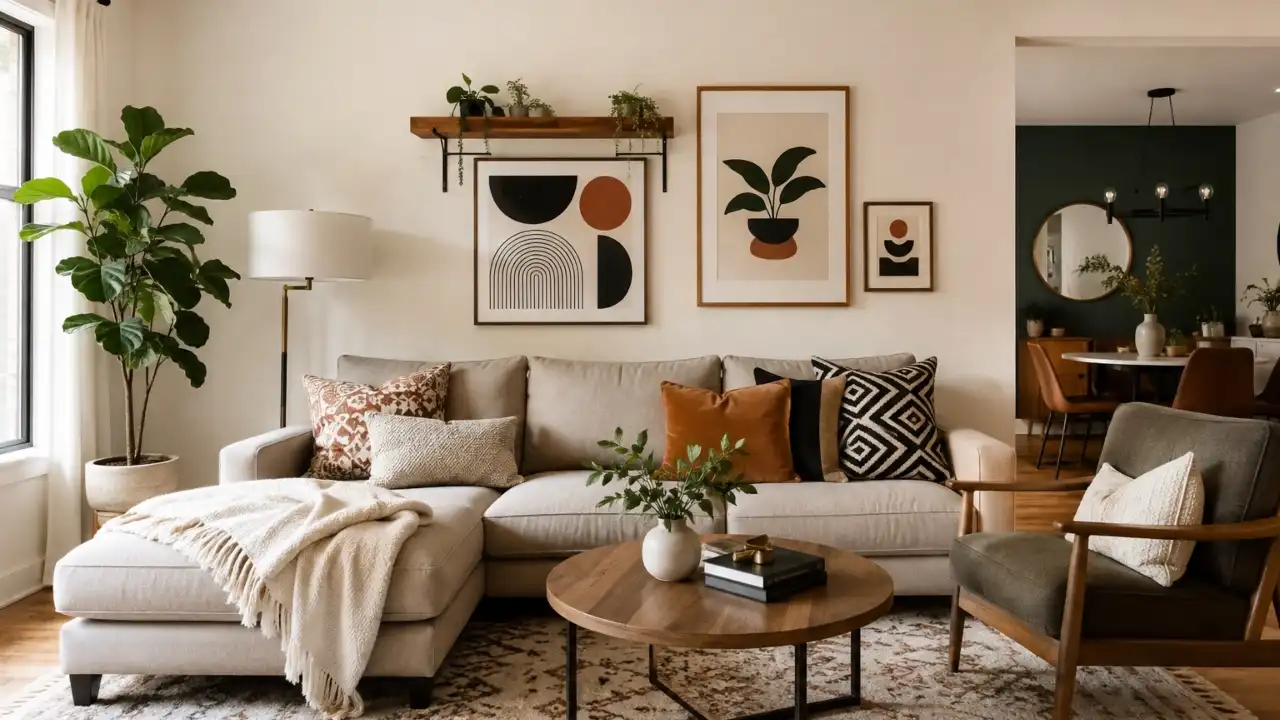
A home makeover does not need a huge budget, a complete renovation, or a house full of matching furniture. The most effective changes usually start with a clear idea of how you want a room to look, feel, and function. Decorating PushYourDesign takes that practical approach a step further by encouraging personal choices, flexible styling, and custom details rather than copying a showroom.
What Is the PushYourDesign Approach?
The idea behind decorating pushyourdesign is simple: use design principles as a guide, but let your lifestyle lead the decisions. PushYourDesign describes its approach as personalised, with attention to comfort, individuality, colour, furniture, and the way each space is actually used.
That matters because a beautiful room can still be frustrating if the layout blocks movement or the storage does not meet everyday needs. Before buying anything, identify the room’s main purpose. A family living room needs durable seating and clear circulation; a bedroom needs calm; a home office needs useful lighting and an organised work surface.
Start With One Design Direction
The easiest way to create a cohesive home is to choose a design direction before decorating individual rooms. You might prefer contemporary, traditional, Scandinavian, eclectic, or a relaxed mix of several styles.
Next, choose a palette. A dominant neutral, a secondary colour, and one or two accents are easier to manage than a different colour scheme in every room. Repeat selected colours through cushions, artwork, rugs, curtains, or accessories to create links.
Transform the Living Room
The living room should balance comfort with interest. Start by positioning the largest furniture first, usually the sofa. Leave sensible pathways between seating, doors, and other frequently used areas.
A large rug can help define a seating zone, especially in an open-plan room. Major seating pieces should connect visually with the rug rather than leaving every item floating around it.
This is where decorating pushyourdesign ideas can add personality. Use one strong focal point, such as a large artwork, an unusual coffee table, or a statement light. Then support it with quieter pieces. For example, if your artwork has deep blue and terracotta tones, repeat those colours in two or three smaller accessories rather than decorating the entire room in them.
Make the Kitchen More Personal
Kitchens often contain plenty of hard surfaces, so texture can make a noticeable difference. Wooden chopping boards, woven baskets, ceramic pieces, linen tea towels, and plants can soften the effect without interfering with food preparation.
If a full renovation is unrealistic, focus on details with high impact. Changing cupboard handles, updating pendant lights, adding a runner, or styling an open shelf can refresh the room without replacing functional cabinets.
Keep worktops clear. A kitchen looks more considered when decorative objects have space around them and everyday appliances remain easy to reach.
Create a Restful Bedroom
A bedroom should support sleep and relaxation first. Start with the bed because it normally acts as the room’s anchor. Layering bedding in complementary textures can make the space feel richer without adding clutter.
Use bedside lighting that provides enough illumination for reading without relying solely on a bright ceiling fixture. Curtains or blinds should also support privacy and light control.
Decorating pushyourdesign works particularly well here when you use meaningful details. A framed photograph, favourite artwork, vintage bedside table, or travel memento can give the room character. Keep the strongest colours from competing with the restful atmosphere unless you genuinely enjoy a more dramatic bedroom.
Give the Bathroom Design Attention
Bathrooms are small, but that makes them useful places to experiment. A framed print, patterned shower curtain, distinctive mirror, or coordinated towels can change the room’s character quickly.
For a more substantial update, consider wall colour, tiles, fittings, or lighting. Good design should survive real use, not simply look impressive in a photograph.
Make Small Rooms Feel Bigger
Small rooms need careful editing rather than fewer ideas. Choose furniture that fits the available floor area and avoid filling every corner. Furniture with more than one function, such as an ottoman with storage, can improve both appearance and practicality.
Mirrors can increase the sense of openness by reflecting light and views. A mirror facing a blank wall will have a different effect from one positioned to reflect a window or attractive feature.
Use vertical space too. Tall shelving, artwork arranged upwards, and high curtains can draw the eye towards the ceiling and make a compact room feel more spacious.
Balance Colour, Texture, and Scale
Good decorating rarely depends on colour alone. Texture creates depth, while scale determines whether furniture and accessories feel balanced. Mix smooth and tactile materials, such as timber with linen or metal with wool.
Pay close attention to proportion. A tiny picture above a large sofa may disappear, while oversized artwork can overwhelm a narrow wall. When grouping several pieces, lay them out on the floor first. This lets you test spacing before making holes.
Use Custom Art With Purpose
Custom prints can make decorating more personal because you can select imagery, colours, dimensions, or wording that connects with the room. PushYourDesign’s decorating guidance highlights custom art and text, with options intended to help users match pieces to existing furniture and paint.
However, customisation should solve a design problem rather than become decoration for decoration’s sake. A large print can anchor an empty wall; a smaller personalised piece can fill a reading nook. Always measure the wall and surrounding furniture before ordering.
Decorate in Stages
One of the smartest ways to avoid expensive mistakes is to decorate gradually. Begin with essential furniture, then add lighting, textiles, artwork, and accessories. Live with the room for a while before buying the last pieces.
Take photographs from different viewpoints. Something that looks balanced from the sofa may feel crowded from the doorway. This real-world test often reveals problems that a mood board cannot.
Decorating pushyourdesign is not about perfection. It is about creating rooms that feel intentional, useful, and personal. Start with how you live, make confident but measured choices, and allow each room to develop its own character while still belonging to the wider home.