

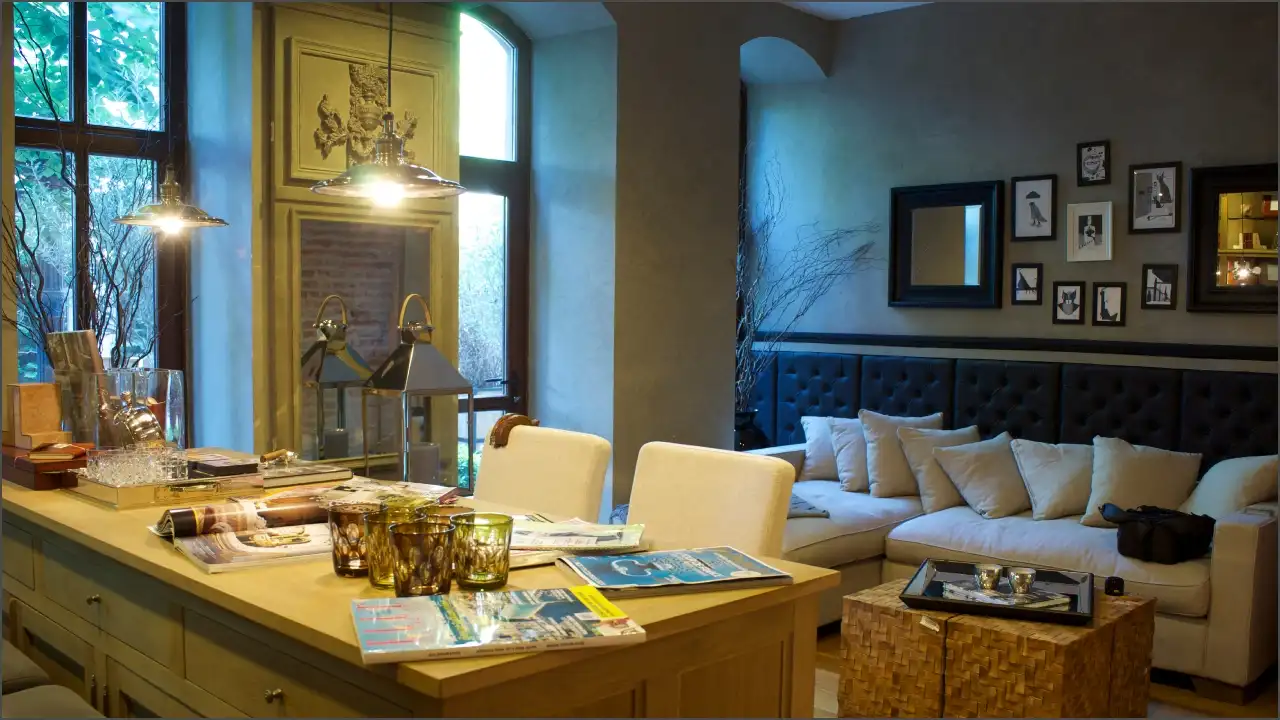
Modern interior design is increasingly focused on how a home works, not simply how it looks. That idea is central to the phrase interior design kdarchitects morph, which is associated online with an adaptive approach to space, materials, light, comfort, and changing user needs. Recent material discussing KDArchitects’ Morph approach describes design as something that can respond to use and environmental conditions rather than remaining completely fixed.
For homeowners, the useful takeaway is not to copy a particular room or visual style. It is to understand the design decisions behind a comfortable modern space and apply those principles where they make sense.
What Does Interior Design KDArchitects Morph Mean?
The term interior design kdarchitects morph can be understood as an adaptive design concept. Instead of treating a room as a finished arrangement, the idea considers how the space can support different activities over time.
For example, a home office may need to become a guest room occasionally. A large living area might need separate zones for watching television, reading, working, and entertaining. Rather than building every function into a permanent structure, flexible furniture, storage, partitions, and lighting can make the same room serve several purposes.
Recent KDArchitects material describes Morph as connecting form, materials, performance, and user requirements while using testing and refinement to improve design decisions.
That makes the concept particularly relevant to modern homes, where rooms often have multiple jobs.
1. Start With How the Room Will Be Used
One of the easiest mistakes in interior design is choosing furniture before deciding how people will move through the room.
A better approach is to ask:
- Where do people enter?
- Where will they naturally sit?
- What needs to be within easy reach?
- Which activities happen at different times of day?
- Where does clutter usually accumulate?
- Does the room need to serve more than one purpose?
Consider a family living room. Instead of placing a sofa simply because it fits against a wall, think about conversation, television viewing, access to windows, and walking routes.
This creates a more functional layout before decorative decisions begin.
2. Use Flexible Zones Instead of Wasting Open Space
Open-plan interiors can feel spacious, but an entirely undivided room is not automatically practical.
The Morph-inspired approach makes more sense when an open room has identifiable zones. A rug can define a seating area, a console can separate circulation from relaxation, and a bookshelf can provide visual division without closing the room completely.
For smaller US homes and apartments, this can be particularly useful. A dining table can double as a workspace, while an armchair near a window can create a reading corner without requiring another room.
The goal is flexibility without making the space feel temporary.
3. Let Natural Light Influence the Layout
Lighting should be considered early rather than added at the end.
Natural light can affect where furniture, work areas, mirrors, and seating should be positioned. A desk placed beside a bright window may be useful during the day, but direct sunlight can also create glare on computer screens.
A practical solution is to consider the direction and intensity of daylight throughout the day. Curtains, blinds, shades, and furniture placement can then be selected around actual conditions.
Recent material on KDArchitects and Roger Morph also emphasizes daylight, proportion, and user comfort as important interior considerations.
4. Choose Materials for Real Life
A beautiful material is not necessarily the right material.
Before choosing flooring, countertops, upholstery, or cabinetry, consider maintenance and everyday use. A household with children or pets may need surfaces that tolerate frequent cleaning. A busy kitchen benefits from durable finishes rather than materials selected only for appearance.
Material combinations can also influence how a room feels. For example, a restrained palette of wood, stone, metal, and textured fabric can create visual interest without filling the room with competing patterns.
This is where kdarchitects becomes a useful search concept for readers interested in connecting architectural thinking with interior decisions: materials should contribute to function as well as appearance.
5. Build Storage Into the Design
Storage is often treated as an afterthought, but it has a major effect on how an interior looks and functions.
Good storage does not simply provide more cabinets. It places storage where people actually need it.
An entryway may require hooks and concealed shoe storage. A bedroom might benefit from full-height wardrobes. A living room could use closed cabinetry for electronics and everyday clutter.
Built-in storage can also create cleaner visual lines. However, avoid filling every wall with cabinets. A combination of open and closed storage usually gives homeowners more flexibility.
Recent descriptions of the KDArchitects approach specifically mention continuous storage and furniture planning as ways to improve circulation and reduce clutter.
6. Think About Adaptability Before Renovating
Permanent construction decisions deserve extra attention because they are expensive to change later.
Before removing walls or creating fixed partitions, ask whether the space could need another purpose in five or ten years.
For example, instead of permanently dividing a large room, homeowners might consider movable screens, sliding panels, or furniture-based zoning. Not every home needs these features, but they can be valuable where changing needs are predictable.
This is one of the strongest practical lessons behind adaptive design: build permanence only where permanence is useful.
Common Mistakes to Avoid
Even a well-planned modern interior can lose its effectiveness through a few common mistakes.
Making Everything Open
Removing walls can increase visual space, but too much openness can create noise, clutter, and a lack of privacy. Create zones when different activities require separation.
Buying Furniture That Is Too Large
A sofa or dining table can look impressive in a showroom and overwhelming at home. Measure the room, doorways, circulation paths, and surrounding furniture before buying.
Using Too Many Finishes
Modern design does not require dozens of materials. Too many flooring types, colors, metals, and patterns can make a room visually fragmented.
Ignoring Maintenance
Ask how often each surface needs cleaning and whether replacement parts or repairs will be practical. A design that looks good on installation day but becomes difficult to maintain is not a successful long-term solution.
How to Apply the Morph Idea to Your Home
You do not need a complete renovation to use these principles.
Start with one room and follow this process:
- Observe the room: Identify how people actually use it.
- Remove unnecessary furniture: Improve circulation before adding anything.
- Create functional zones: Give each area a clear purpose.
- Review lighting: Use natural light first, then layer artificial lighting.
- Improve storage: Put frequently used items close to where they are needed.
- Check materials: Choose finishes according to lifestyle and maintenance needs.
- Plan for change: Leave enough flexibility for future furniture or room uses.
This process is often more valuable than chasing a specific decorating trend.
Conclusion
The most useful lesson from interior design kdarchitects morph is to think beyond decoration. A successful modern home should respond to the people living in it, accommodate everyday routines, use space efficiently, and remain practical as needs change.
Instead of asking only, “What looks modern?”, ask a more useful question: “How can this room work better for the way we actually live?” That shift can lead to better layouts, smarter storage, more comfortable lighting, and design choices that remain useful long after current trends disappear.