
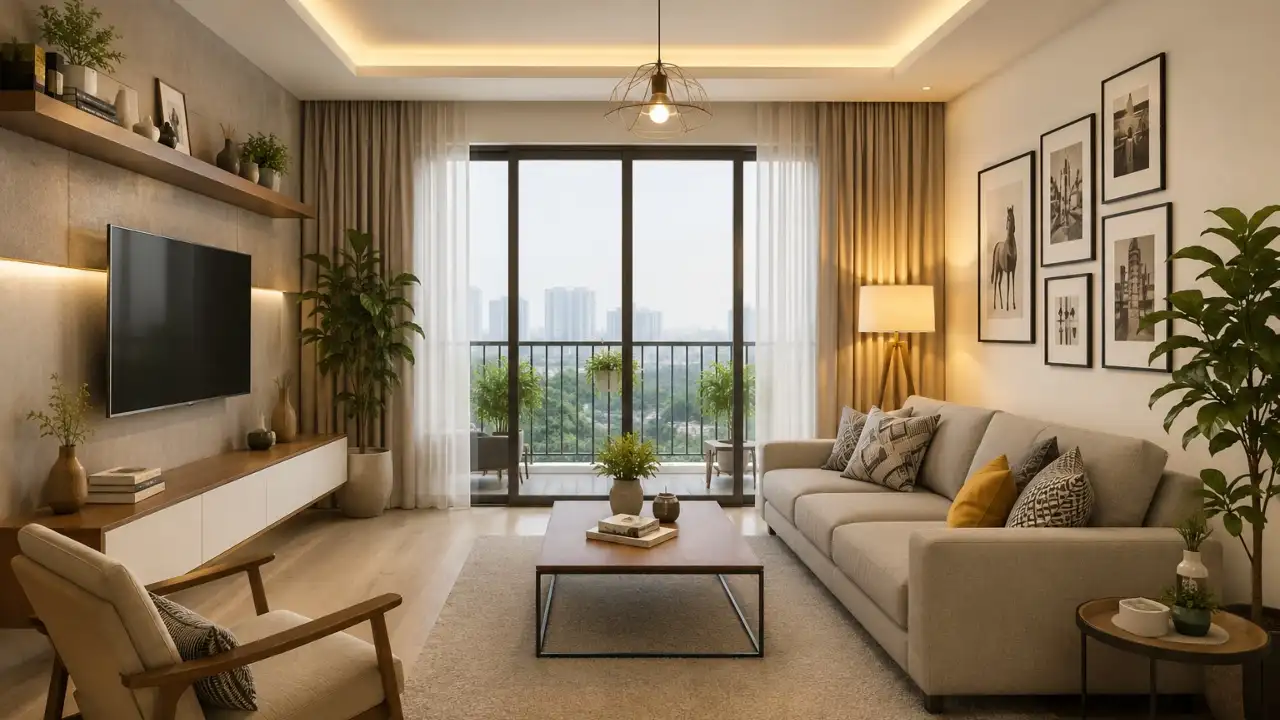
Creating a beautiful home is no longer just about following the latest trends. Today’s homeowners want spaces that are comfortable, functional, and a true reflection of their personality. That is exactly why many people search for tips lifestyle PushYourDesign. They are looking for practical home design advice that improves both the appearance of their living space and their daily lifestyle.
A well designed home can reduce stress, improve productivity, encourage better organisation, and even increase property value. Whether you live in a small flat, a family house, or a modern apartment, the right design choices can make a noticeable difference.
This guide explores the best home improvement and interior design tips inspired by the lifestyle approach associated with PushYourDesign, helping you create a stylish and functional home without spending a fortune.
What Is Tips Lifestyle PushYourDesign?
The phrase tips lifestyle PushYourDesign refers to practical ideas for improving everyday living through thoughtful home design, interior decoration, organisation, and smart lifestyle choices. Rather than focusing on luxury renovations, the concept encourages homeowners to make intentional improvements that enhance comfort, functionality, and personal style.
The goal is simple: create a home that works for your lifestyle while remaining attractive, practical, and welcoming.
Why Home Design Matters More Than Ever
Your home influences nearly every aspect of daily life. It affects your mood, productivity, sleep quality, and overall wellbeing.
Research from the University of Exeter found that thoughtfully designed indoor environments with natural elements can improve wellbeing and increase productivity. Meanwhile, organised living spaces have been linked to lower stress levels and better mental focus.
Good home design is not about having the biggest house. It is about making the best use of the space you already have.
Start with a Clear Vision
Before buying furniture or choosing paint colours, think about how you actually use your home.
Ask yourself these questions:
- Which rooms do you spend the most time in?
- What areas feel cluttered or uncomfortable?
- Do you need more storage?
- Is your home suitable for working remotely?
- What atmosphere do you want to create?
Answering these questions helps you make smarter design decisions instead of following short lived trends.
Choose a Colour Palette That Matches Your Lifestyle
Colours have a powerful effect on the atmosphere of a room.
Neutral Colours
Soft whites, beige, cream, and light grey create a calm and timeless appearance. They also make smaller rooms appear larger.
Earthy Tones
Warm browns, olive green, terracotta, and sand colours bring warmth and create a relaxing environment.
Bold Accent Colours
Deep blue, emerald green, mustard yellow, or charcoal can add personality without overwhelming the space. Use them in cushions, artwork, rugs, or feature walls.
Rather than repainting every year, choose timeless colours that remain stylish for years.
Maximise Natural Light
Natural light instantly makes a room feel larger, cleaner, and more welcoming.
Simple ways to increase natural light include:
- Use light coloured curtains.
- Position mirrors opposite windows.
- Keep window areas uncluttered.
- Choose reflective surfaces where appropriate.
- Trim outdoor plants blocking sunlight.
Natural daylight can also reduce the need for artificial lighting during the day, helping lower electricity bills.
Declutter Before You Decorate
One of the biggest mistakes homeowners make is buying new decorations before removing unnecessary items.
Decluttering creates more visual space and allows your favourite pieces to stand out.
Try the following method:
- Keep items you regularly use.
- Donate items in good condition.
- Recycle what cannot be reused.
- Store seasonal belongings neatly.
- Organise shelves and cupboards.
A tidy room almost always feels more expensive than an overcrowded one.
Invest in Multi Functional Furniture
Modern homes often have limited space, making versatile furniture a smart investment.
Examples include:
- Storage beds
- Folding dining tables
- Ottoman storage benches
- Sofa beds
- Extendable desks
- Nesting coffee tables
These pieces maximise available space without sacrificing comfort.
Practical Example
A small guest room can function as a home office during the week by using a sofa bed instead of a traditional bed. This creates a flexible space suitable for modern living.
Add Indoor Plants
Plants improve both appearance and atmosphere.
Popular low maintenance choices include:
- Snake Plant
- Peace Lily
- Spider Plant
- ZZ Plant
- Pothos
Indoor greenery softens modern interiors and creates a more relaxing environment.
Remember to choose plants that suit your home’s lighting conditions and your ability to care for them.
Create Functional Storage Solutions
Storage should be both practical and attractive.
Ideas include:
- Floating shelves
- Built in wardrobes
- Under bed storage
- Decorative baskets
- Wall hooks
- Kitchen organisers
Good storage reduces clutter while keeping everyday items easy to access.
Design a Comfortable Living Room
The living room often becomes the heart of the home.
To make it more inviting:
- Arrange seating for conversation.
- Add layered lighting.
- Include soft textiles.
- Mix textures such as wood, fabric, and metal.
- Display personal artwork or photographs.
Avoid filling every corner with furniture. Leaving some open space creates a cleaner and more balanced look.
Refresh Your Kitchen Without a Full Renovation
Kitchen renovations can be expensive, but small updates often create a dramatic improvement.
Affordable upgrades include:
- Replacing cabinet handles
- Installing modern lighting
- Adding open shelving
- Painting cabinets
- Updating splashbacks
- Organising pantry storage
These simple improvements can make an older kitchen feel much more contemporary.
Design a Relaxing Bedroom
A bedroom should encourage rest rather than distraction.
Focus on:
- Comfortable bedding
- Soft lighting
- Minimal clutter
- Neutral colours
- Quality curtains
- Hidden storage
Avoid placing work equipment in the bedroom whenever possible. Separating work from rest improves sleep quality.
Build a Productive Home Office
Remote working has changed how many people use their homes.
A productive workspace should include:
- Ergonomic seating
- Good lighting
- Reliable internet connection
- Organised cable management
- Minimal distractions
- Adequate storage
Even a small corner can become an effective workspace with thoughtful planning.
Decorate Sustainably
Sustainable design is becoming increasingly popular.
Simple environmentally friendly choices include:
- Buying quality furniture that lasts longer
- Choosing recycled materials
- Upcycling existing furniture
- Using LED lighting
- Selecting natural fabrics
- Supporting local craftspeople
Sustainable decorating often saves money over time while reducing environmental impact.
Common Home Design Mistakes to Avoid
Many homeowners unintentionally reduce both comfort and visual appeal.
Avoid these common mistakes:
- Buying furniture before measuring the room
- Following every design trend
- Using poor lighting
- Ignoring storage needs
- Overcrowding rooms
- Hanging artwork too high
- Choosing style over comfort
A well balanced home combines beauty with practicality.
Budget Friendly Home Makeover Ideas
Improving your home does not always require a large budget.
Affordable ideas include:
- Rearranging existing furniture
- Painting one feature wall
- Replacing cushions and throws
- Adding mirrors
- Installing floating shelves
- Updating curtains
- Displaying indoor plants
- Changing light fittings
Small improvements often create the biggest visual impact.
Final Thoughts
The growing interest in tips lifestyle PushYourDesign reflects a simple idea: a thoughtfully designed home can improve everyday life. You do not need a luxury budget or a complete renovation to achieve meaningful results. By focusing on practical layouts, smart storage, natural light, timeless colours, and functional furniture, you can create a home that feels comfortable, organised, and uniquely yours.
The best interior design is not about copying magazine photos or chasing every trend. It is about creating a space that supports your lifestyle, reflects your personality, and makes every day more enjoyable. Start with small, intentional changes, and over time your home will become a place that looks beautiful, works efficiently, and truly feels like home.