

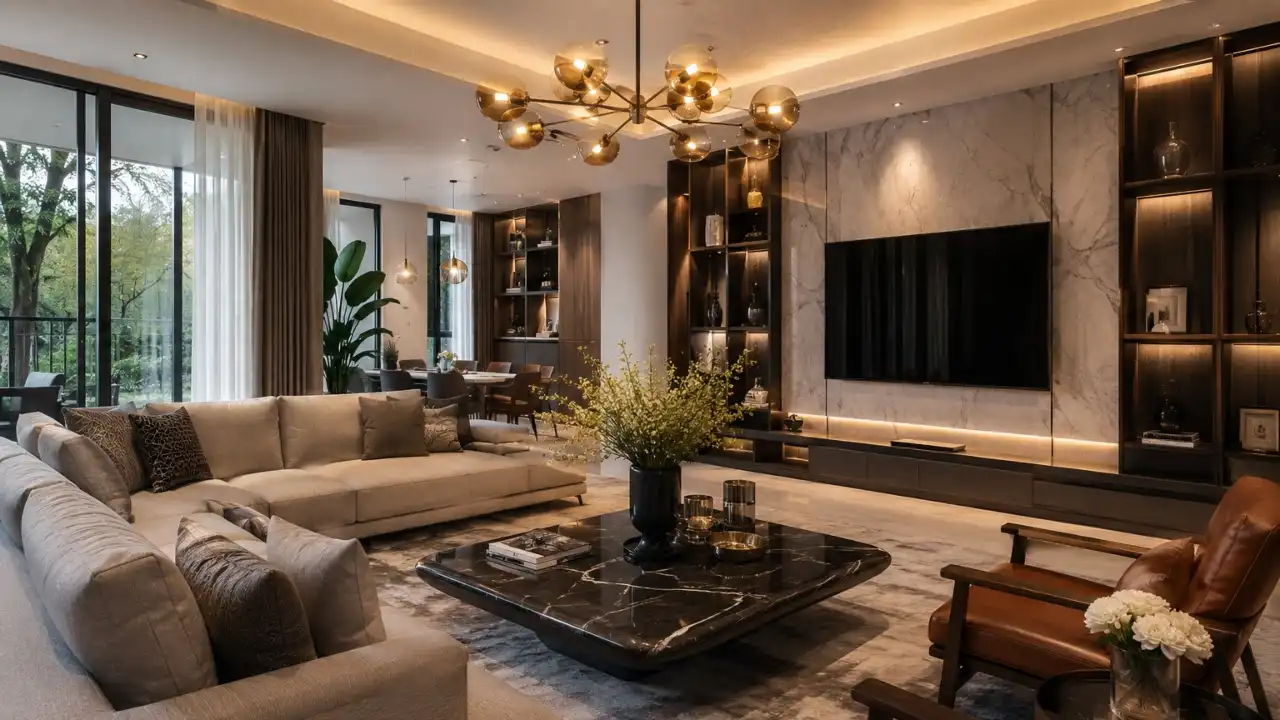
Luxury interior design is more than choosing expensive furniture or premium finishes. It is about creating elegant, functional, and timeless spaces that reflect the personality of the people who live in them. As interest in luxury homes continues to grow, many designers, architects, decorators, and content creators want to write about high end interiors in a way that educates and inspires readers.
If you are searching for for start writing about luxuryinteriors.org, you are likely looking for guidance on creating quality content around luxury interior design or understanding the type of articles associated with this niche. This guide explains how to write engaging, trustworthy, and SEO friendly content that appeals to both readers and search engines while following Google’s Helpful Content and E-E-A-T principles.
Why Luxury Interior Design Content Matters
The global interior design industry continues to expand as homeowners invest more in personalised living spaces. According to market research from Grand View Research, the global interior design services market is expected to grow steadily over the coming years, driven by rising disposable incomes, luxury residential developments, and demand for customised interiors.
This growth creates opportunities for designers and writers who can explain trends, materials, design principles, and practical ideas in an accessible way.
Readers today do not simply want beautiful photographs. They want expert advice, realistic budgets, design inspiration, and practical solutions they can apply to their own homes.
Understanding the Purpose of Luxuryinteriors.org
Luxuryinteriors.org has become known as a platform discussing premium interior design, luxury home inspiration, decorating ideas, materials, furniture, colour palettes, and architectural concepts.
The website typically focuses on topics such as:
- Luxury living room design
- Premium kitchen interiors
- Contemporary and classic design styles
- High quality materials
- Designer furniture
- Lighting concepts
- Interior design trends
- Home styling inspiration
When writing content inspired by this niche, your goal should be to educate readers rather than simply promote luxury products.
Know Your Target Audience
One of the biggest mistakes new writers make is writing for everyone.
Successful luxury interior content speaks directly to a specific audience.
Your readers may include:
- Interior designers seeking fresh inspiration
- Homeowners planning luxury renovations
- Architects exploring premium materials
- Property developers
- Luxury real estate professionals
- Design students
- Home décor enthusiasts
Each audience has different expectations.
For example, homeowners may want practical advice about choosing marble flooring, while designers often prefer detailed discussions about texture, lighting, and spatial planning.
Research Before You Write
High quality articles begin with thorough research.
Before creating content, gather information from reliable industry sources including:
- Interior design publications
- Architecture magazines
- Furniture manufacturers
- Design exhibitions
- Professional designers
- Material suppliers
- Industry reports
Avoid copying existing articles. Instead, compare multiple trusted sources and combine them with your own analysis and professional understanding.
This creates genuinely useful content that stands out.
Choose Topics That Solve Real Problems
Instead of writing generic articles, answer questions your audience actually asks.
Examples include:
- How do you design a luxury bedroom without making it feel cluttered?
- Which natural stones work best in premium kitchens?
- Is bespoke furniture worth the investment?
- How do luxury hotels influence residential interiors?
- What colours define modern luxury homes?
Problem solving articles tend to perform better because they satisfy search intent.
Create a Clear Article Structure
Readers appreciate content that is easy to follow.
A strong structure usually includes:
Compelling Introduction
Explain what readers will learn and why it matters.
Main Sections
Divide the topic into logical headings.
For example:
- Planning
- Materials
- Colours
- Furniture
- Lighting
- Styling
- Budget considerations
Practical Examples
Real situations help readers understand complex ideas.
Instead of saying:
“Luxury lighting improves interiors.”
Explain:
“A layered lighting scheme combines recessed ceiling lights, decorative chandeliers, wall sconces, and concealed LED strips to create depth while allowing different moods throughout the day.”
Specific advice builds trust.
Focus on Experience and Expertise
Google increasingly rewards content that demonstrates genuine knowledge.
If you have practical experience with luxury design projects, include observations such as:
- Why natural marble requires maintenance
- How bespoke cabinetry improves storage
- Which fabrics perform well in busy family homes
- Why lighting changes the appearance of colours
Even if you are writing as a researcher, explain concepts with accuracy rather than exaggeration.
Write Naturally
Luxury content should feel sophisticated but not difficult to understand.
Avoid filling every sentence with expensive sounding words.
Instead of writing:
“The magnificently opulent aesthetic exemplifies extraordinary grandeur.”
Write:
“Carefully selected materials and balanced proportions create an elegant space that feels luxurious without becoming overwhelming.”
Simple language communicates expertise more effectively.
Include Current Interior Design Trends
Readers enjoy learning about modern developments.
Some continuing luxury design trends include:
Sustainable Luxury
Premium homes increasingly use responsibly sourced timber, recycled materials, energy efficient lighting, and environmentally friendly finishes.
Natural Materials
Marble, limestone, travertine, oak, walnut, linen, and wool remain popular choices because they add warmth and authenticity.
Smart Home Integration
Luxury interiors now incorporate automated lighting, climate control, security systems, and voice controlled technology without compromising aesthetics.
Personalised Design
Rather than copying showroom displays, homeowners increasingly prefer customised furniture, bespoke artwork, and unique decorative pieces.
Add Practical Design Examples
Examples improve both readability and credibility.
Imagine a luxury living room.
Instead of filling the room with oversized furniture, a designer might choose:
- Neutral colour palette
- Walnut coffee table
- Natural stone fireplace
- Soft textured rugs
- Sculptural lighting
- Bespoke shelving
- Carefully selected artwork
Each element contributes to an elegant atmosphere without appearing excessive.
Readers can visualise the concept immediately.
Optimise for SEO Without Overusing Keywords
Many writers make the mistake of repeating the keyword excessively.
Instead, naturally include related phrases such as:
- luxury interior design writing
- premium home décor
- luxury home inspiration
- designer interiors
- elegant home styling
- interior design content
- high end décor ideas
Search engines understand related terminology.
Natural writing always performs better than forced repetition.
Build Trust Through Credible Information
Whenever possible, support claims with recognised industry sources.
For example:
- Market growth statistics
- Professional design organisations
- Material manufacturers
- Architectural research
- Industry reports
Avoid unsupported statements such as:
“Everyone prefers marble.”
Instead explain:
“Marble remains one of the most requested premium materials because of its natural veining and timeless appearance, although it requires regular sealing to maintain its finish.”
Balanced advice increases credibility.
Common Mistakes to Avoid
Many beginners reduce the quality of their articles by making avoidable mistakes.
These include:
- Copying content from existing websites
- Writing overly promotional articles
- Ignoring reader questions
- Using poor quality images
- Publishing outdated information
- Stuffing keywords into every paragraph
- Making exaggerated claims without evidence
Quality always outperforms quantity.
Tips for Designers Who Want to Become Better Writers
Writing is another design skill that improves through practice.
Successful designers often:
- Read leading interior design magazines regularly.
- Visit showrooms and exhibitions.
- Study architectural photography.
- Analyse successful design projects.
- Interview suppliers and craftsmen.
- Document their own projects.
- Explain design decisions instead of only showing final results.
Over time, these habits create more authoritative and engaging content.
Final Thoughts
If you are searching for start writing about luxuryinteriors.org, the most important lesson is to focus on helping readers rather than simply filling pages with design terminology.
The best luxury interior articles combine expert knowledge, practical examples, accurate research, and genuine enthusiasm for beautiful spaces. Whether you are an interior designer, blogger, architect, or content creator, your writing should educate readers, answer their questions, and inspire confidence.
By following Google’s Helpful Content principles, demonstrating real expertise, and writing with clarity, you can produce valuable articles that attract readers, earn trust, and perform well in search results. Rather than chasing trends alone, focus on timeless design principles, authentic insights, and practical advice. That approach will always provide lasting value for both your audience and your website.
For more informative article like for start writing about luxuryinteriors.org, Become the part of pushyourdesign.org.uk.