

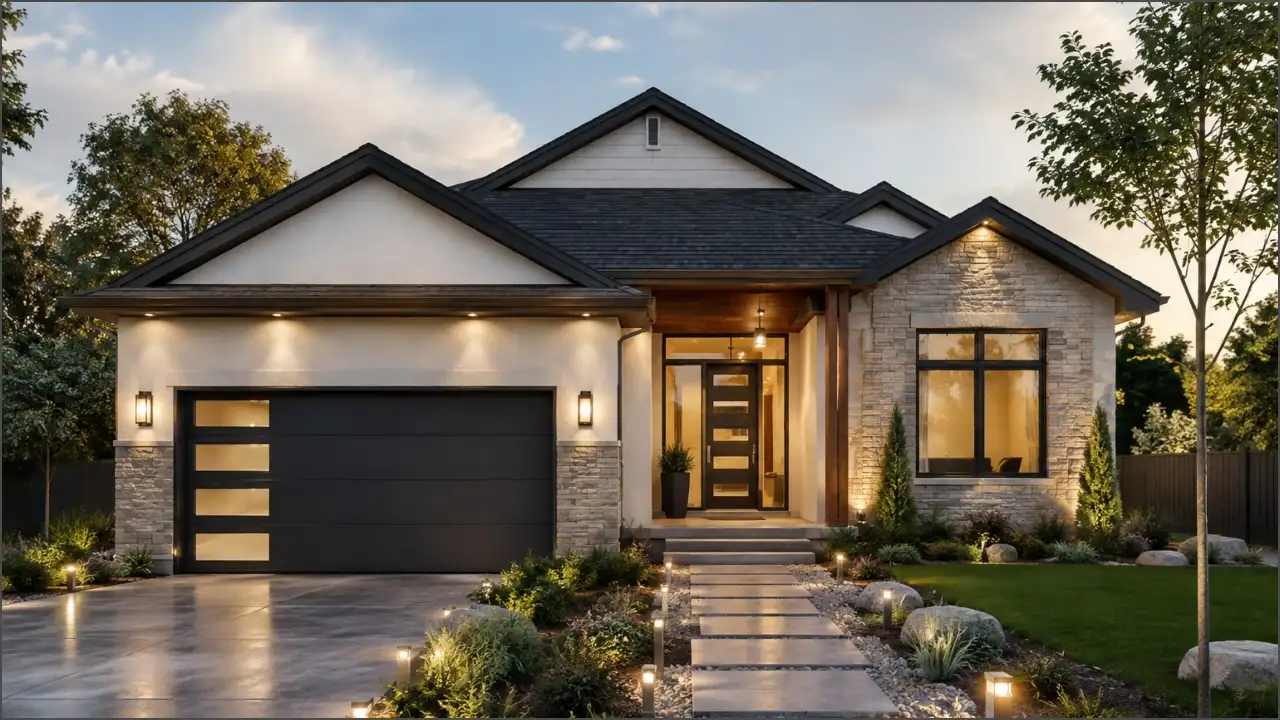
Most homeowners spend years perfecting the inside of their house and almost no time on what people actually see first: the outside. The Dr Homey exterior design approach flips that habit. It treats the front of your house the way a good stylist treats an outfit. A few well-chosen pieces that work together beat a pile of expensive individual items that don’t.
If you’ve ever driven past a house and thought “something’s off” without being able to name it, this article is for you. Below is a practical walkthrough of what actually changes how a home reads from the street, what usually goes wrong, and what to fix first when your budget is limited.
What “Exterior Design” Actually Means?
Exterior design isn’t landscaping, and it isn’t just paint color. It’s the combination of four things working in proportion to each other:
- Architecture: the shape and lines of the house itself
- Materials and color: siding, brick, stone, trim, and roofing
- Landscaping: plants, hardscape, and how they frame the structure
- Details: lighting, door hardware, house numbers, mailbox, railings
A house can have great bones and still look unfinished because the details were an afterthought. This is the gap the Dr Homey method is built to close, not by adding more, but by making sure every visible element is pulling in the same direction.
Start With the Roofline and Work Down
A common mistake is starting exterior projects at eye level, picking a front door color or a porch light, before looking at the roofline, gutters, and overall silhouette. The roof covers roughly a third of what’s visible from the street on most single-family homes, so if it’s discolored, sagging, or clashing with the siding, no amount of landscaping fixes the overall impression.
Work in this order instead:
- Roof and gutters: check for algae streaking, mismatched patch repairs, or gutters in a color that fights the trim
- Siding or masonry: look for fading, chalking paint, or cracked mortar joints
- Trim and window frames: these define the architectural lines; peeling or mismatched trim makes even new siding look old
- Entry area: door, hardware, lighting, house numbers
- Landscaping and hardscape: the frame around everything above
Most articles on this topic start at step 4 or 5 because it’s the cheapest and most visually satisfying place to begin. That’s fine for a quick refresh, but it won’t fix a house with structural or material level problems.
Color Choices That Age Well
Trends move fast; exteriors don’t. Repainting a house is not a weekend decision the way repainting a bedroom is, so it’s worth choosing colors that will still look intentional in eight to ten years, not just in the listing photos next month.
A few things that hold up over time:
- Test the color in both morning and evening light, not just under a paint swatch indoors. Exterior colors shift dramatically depending on sun exposure and the surrounding tree cover.
- Match undertones between siding and roof, not exact colors. A warm toned roof next to a cool gray siding is one of the most common mismatches, and it’s rarely noticed until the whole thing is finished.
- Limit the palette to three tones: a dominant body color, a trim color, and one accent (usually the door). Adding a fourth color almost always makes a house look busier rather than richer.
Darker, more saturated exterior colors have become common on newer builds, but they show dirt, fading, and repair patches faster than mid-tone neutrals. That’s worth knowing before committing to a trend color on a house you plan to keep long-term.
Landscaping as a Frame, Not a Feature
Landscaping should draw the eye toward the house, not compete with it. A frequent error is planting tall shrubs directly against the foundation, which, as they mature, end up blocking windows and covering architectural details that were part of the original design.
Practical rules that hold up regardless of climate zone:
- Keep plantings under window sill height near the house; let taller plants sit farther back or at the corners
- Repeat two or three plant varieties rather than using one of everything. Repetition reads as designed, variety reads as random
- Match hardscape material (walkway, driveway edging) to one of the house’s existing materials, such as the brick color or a stone accent already on the exterior
The Details Most People Skip
These are inexpensive relative to everything above, but they’re often the last thing done, and the first thing a visitor notices up close.
| Detail | Why it matters | Common mistake |
|---|---|---|
| House numbers | First thing read from the street | Builder grade numbers left unchanged for decades |
| Front door hardware | Sets the “quality level” tone | Mixing metal finishes (brass handle, black hinges) |
| Exterior lighting | Affects evening curb appeal and safety | Lights that don’t match the home’s architectural period |
| Mailbox | Small but highly visible | Rusted or leaning post never addressed |
Replacing house numbers and door hardware alone, in coordinated finishes, is one of the highest return, lowest cost changes available. It’s often more noticeable than a full landscaping overhaul.
Common Mistakes That Undercut Good Design
- Over-personalizing the exterior. A front yard is public facing; highly personal or trend heavy choices (novelty ornaments, unusual color combinations) can undercut resale value even if you love them.
- Ignoring proportions. Oversized house numbers or an undersized porch light throw off the visual balance more than color choice does.
- Treating lighting as purely functional. Exterior lighting placed only for security, without considering how it highlights architectural features at night, wastes an opportunity that costs nothing extra to fix during installation.
- Skipping maintenance planning. Beautiful materials chosen without considering local climate, such as wood siding in a humid region, lead to faster wear and repeated repainting costs.
Bringing It Together
Good exterior design isn’t about doing everything at once. It’s about sequencing: fix structural and material issues first, choose a restrained color palette that suits the architecture, let landscaping frame rather than hide the house, and finish with coordinated details. Skipping the order, starting with a new mailbox before checking the roofline, is why so many exterior refreshes look patchy instead of finished.
If you’re planning a project, walk your own house from across the street with this five step order in mind. Note what’s actually pulling the look down before spending on what’s easiest to change. That single habit, diagnosing before decorating, is the core of the Dr Homey exterior design approach, and it’s the difference between a house that looks renovated and one that just looks different.