
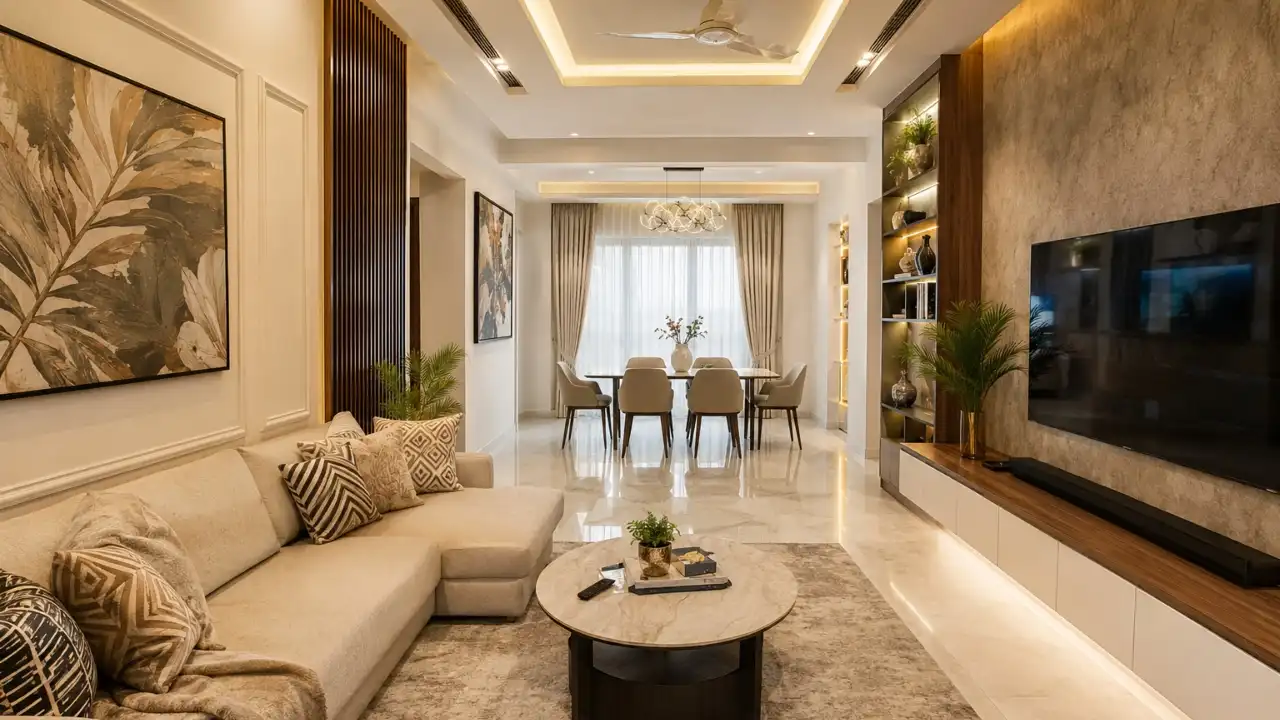
Your home should reflect more than your personal taste. It should support your daily routines, make the most of available space and provide a comfortable environment where you can relax. A successful interior combines beauty with practicality, creating rooms that look appealing while working well for the people who use them.
The idea behind pushyourdesign interiors is to approach home design with purpose. Instead of filling a room with fashionable furniture and accessories, thoughtful design starts by understanding the space, identifying problems and finding solutions that suit the homeowner’s lifestyle.
Whether you are refreshing a single bedroom, improving a small flat or planning a complete home makeover, the right approach can produce impressive results without requiring unnecessary changes. From colour and lighting to furniture placement and storage, every detail can influence how a space feels and functions.
What Makes a Well-Designed Interior?
Good interior design is not simply about choosing attractive colours or expensive furniture. It is about creating a balanced relationship between several elements.
A well-designed room usually considers:
- The size and shape of the space
- Natural and artificial lighting
- Furniture placement
- Storage requirements
- Colour combinations
- Materials and textures
- Comfort and accessibility
- The lifestyle of the people living there
For example, a family living room needs a different design approach from a formal sitting room that is rarely used. A home office requires appropriate lighting and an ergonomic workspace, while a bedroom should prioritise comfort and relaxation.
This is why copying a room from a magazine or social media platform does not always work. The design may look beautiful, but it might not suit your home’s architecture or your everyday needs.
Begin With a Clear Design Plan
Before purchasing furniture or choosing paint, take some time to understand what you want to achieve.
Walk through each room and identify what works and what does not. Perhaps your living room feels crowded, your hallway lacks storage or your bedroom does not receive enough light.
Write down the problems before thinking about solutions.
For instance, if your living room feels uncomfortable, the issue may not be the furniture itself. The seating arrangement could be blocking a walkway, or the room may lack suitable lighting. Moving the sofa, repositioning a chair and adding a floor lamp could improve the space without replacing everything.
This practical approach helps you spend money where it matters most.
Choose a Colour Scheme That Works With Your Space
Colour remains one of the easiest ways to transform an interior.
However, choosing a colour should involve more than selecting a shade that looks attractive on a paint chart. Consider how much natural light enters the room and how the colour changes throughout the day.
A room with limited daylight may benefit from warm neutrals, soft earthy shades or carefully selected lighter colours. A bright room can often handle deeper tones more comfortably.
A simple colour scheme might include:
- One main wall colour
- One complementary secondary shade
- One or two accent colours
For example, warm beige walls could work with natural wood furniture, olive-green cushions and terracotta accessories. The result feels connected without becoming overly coordinated.
If you are unsure about a colour, test a sample on different walls. Observe it in the morning, afternoon and evening before making a final decision.
Improve Your Room by Rethinking the Layout
Furniture arrangement can have a surprisingly significant effect on a room.
Many homeowners automatically push every piece of furniture against the wall. While this can work in certain spaces, it is not always the most effective arrangement.
Try creating clear zones based on how you use the room.
In a living room, you might create a conversation area with a sofa and two chairs. A reading corner could sit beside a window, while a small desk could occupy an unused corner.
The goal is to make movement through the room feel natural.
Before moving heavy furniture, measure the space and create a simple floor plan. You can use paper, a basic online planning tool or even masking tape on the floor to visualise where larger pieces will sit.
This simple exercise can prevent expensive mistakes.
Make Small Rooms Feel More Spacious
Small homes require careful planning, but limited square footage does not mean you have to compromise on style.
Start by reducing unnecessary visual clutter. Choose furniture that matches the scale of the room and avoid filling every available corner.
Multi-purpose furniture can also help. An ottoman with internal storage, a bed with drawers or a fold-away desk can provide useful functionality without taking up permanent space.
Mirrors can help reflect light, while furniture with visible legs may create a lighter visual appearance than bulky pieces that sit directly on the floor.
However, avoid adding mirrors simply because you have heard they make rooms look larger. Their position matters. A mirror facing a window can reflect natural light, while one positioned to reflect an attractive feature can draw attention to a specific part of the room.
The most effective pushyourdesign interiors ideas focus on how each design decision affects the entire space rather than relying on isolated decorating tricks.
Use Storage to Control Everyday Clutter
Storage is one of the most important parts of a successful home interior.
A room can have beautiful furniture and carefully chosen colours, yet still feel untidy if everyday belongings have nowhere to go.
Think about storage according to your routines.
If shoes and coats regularly collect near the front door, create a dedicated entrance storage area. If kitchen worktops are constantly covered with appliances, consider whether some items could move into cupboards or a purpose-built storage solution.
In bedrooms, fitted wardrobes can make efficient use of vertical space. In living rooms, built-in shelving can combine storage with display areas.
The key is to make storage easy to use. If putting something away requires several steps, people are less likely to do it consistently.
Good design should make organisation feel natural.
Layer Different Types of Lighting
Lighting can completely change the atmosphere of a room.
Instead of relying on one central ceiling fixture, consider using several layers of light.
Ambient Lighting
This provides general illumination throughout the room. Ceiling lights, recessed fixtures and larger pendants can serve this purpose.
Task Lighting
Task lighting helps with specific activities. Examples include desk lamps, reading lights and under-cabinet kitchen lighting.
Accent Lighting
Accent lighting highlights particular features, such as artwork, shelves or architectural details.
Combining these three types gives you greater control over the room.
For example, a living room might use a ceiling light during cleaning, a floor lamp when someone is reading and a table lamp for a softer evening atmosphere.
Good lighting should respond to how the room changes throughout the day.
Add Texture for Depth and Character
A room decorated using only smooth, similar materials can feel flat.
Texture introduces visual interest and makes an interior feel more comfortable. You can achieve this through rugs, curtains, cushions, upholstery, timber, ceramics and woven accessories.
Try combining materials that contrast with one another.
A modern sofa might look warmer alongside a wooden coffee table. A smooth painted wall could work well with a textured rug. Linen curtains can soften a room filled with harder surfaces such as glass and metal.
You do not need dozens of decorative items. A few carefully selected textures can have a stronger impact than excessive accessories.
Bring Nature Into Your Interior
Natural elements can make a home feel calmer and more connected to its surroundings.
Houseplants are an obvious option, but you can also introduce natural materials such as wood, stone, rattan, wool and linen.
If maintaining plants is difficult, choose low-maintenance varieties or use natural branches and dried arrangements as occasional decorative features.
Wood is particularly versatile. It can add warmth to minimalist interiors and create contrast in contemporary rooms.
The objective is not to make every room look rustic. Instead, use natural materials selectively to soften the overall design.
Create a Home That Reflects Your Personality
One of the biggest problems with trend-led interiors is that they can feel generic.
Your home should tell your story.
Display artwork that you genuinely enjoy. Include books you actually read. Use photographs, travel memories or objects with personal meaning.
This does not mean every surface needs decoration. In fact, leaving some areas intentionally simple can make personal items stand out more effectively.
A home feels authentic when the design reflects the people who live there rather than looking like a showroom.
Design for Comfort and Everyday Life
A beautiful interior that feels uncomfortable is not a successful interior.
Think carefully about the furniture you choose.
If your family spends evenings watching films together, prioritise comfortable seating. If you frequently host dinner parties, consider the relationship between your dining table, kitchen and living area.
If you work remotely, create a dedicated workspace where possible. Position your desk near suitable natural light, but avoid placing your screen where direct sunlight creates glare.
These decisions may not appear in photographs, but they have a significant impact on everyday life.
The best pushyourdesign interiors approach puts real-life experience at the centre of the design process.
Make Sustainable Choices Where Possible
Home improvements can also provide an opportunity to make more responsible choices.
Instead of replacing furniture simply because it no longer matches a new colour scheme, consider whether it can be repaired, refinished or reupholstered.
When buying new products, look at durability rather than focusing only on price. A well-made piece that lasts for many years may offer better value than a cheaper item that needs replacing quickly.
You can also reduce waste by planning carefully before starting a project. Measure rooms accurately, create a shopping list and avoid purchasing decorative items simply because they are currently popular.
Sustainable interior design does not have to mean sacrificing style. Often, it means making fewer but better decisions.
Use Trends as Inspiration, Not Rules
Interior trends can provide useful inspiration, but they should not control every design decision.
A trend may look excellent in a large, naturally bright home but feel completely different in a small room with limited daylight.
Instead of copying an entire trend, select individual elements that work for your space.
For example, if you like a popular earthy colour palette, introduce it through cushions, artwork or a feature wall. If you enjoy natural textures, start with a wooden side table or woven rug.
This approach allows you to update your home without constantly redesigning it whenever trends change.
Transform Your Home One Step at a Time
You do not need to renovate every room at once.
A practical transformation can follow this order:
Step 1: Declutter
Remove items that no longer serve a purpose.
Step 2: Assess the layout
Move furniture and improve circulation.
Step 3: Solve practical problems
Address storage, lighting and functionality.
Step 4: Establish your colour palette
Choose colours that suit the room’s natural light.
Step 5: Add texture
Introduce rugs, curtains, cushions and natural materials.
Step 6: Personalise the space
Add artwork and objects that have genuine meaning.
Step 7: Review the result
Live with the changes before deciding whether you need anything else.
This gradual approach can prevent impulse purchases and help you understand what your home actually needs.
Common Interior Design Mistakes to Avoid
Even experienced homeowners can make mistakes when redesigning a space.
One common problem is buying furniture before measuring the room. A sofa that looks perfect online may overwhelm a small living room.
Another mistake is ignoring lighting. A carefully chosen colour can look completely different under artificial light.
Overdecorating is another issue. Too many accessories can make a room feel chaotic, while too little personality can make it feel cold.
Finally, avoid prioritising appearance over function. If a beautiful chair is uncomfortable or a stylish table blocks movement, the design needs reconsideration.
A successful room should look good and work well.
Final Thoughts
The most effective pushyourdesign interiors ideas do not depend on expensive furniture or constant trend updates. They begin with a clear understanding of how a home is used and what its occupants genuinely need.
Start with the basics: improve the layout, control clutter, introduce suitable storage and create effective lighting. Then build personality through colour, texture, artwork and natural materials.
Whether you are making small changes or planning a major renovation, thoughtful decisions can transform the way your home looks and feels.
Ultimately, great interior design is not about creating a perfect room for photographs. It is about creating a space that feels comfortable, practical and genuinely yours. When style and everyday living work together, even simple changes can make your home feel completely different.
For more interiors design ideas, visit our site pushyourdesign daily.