

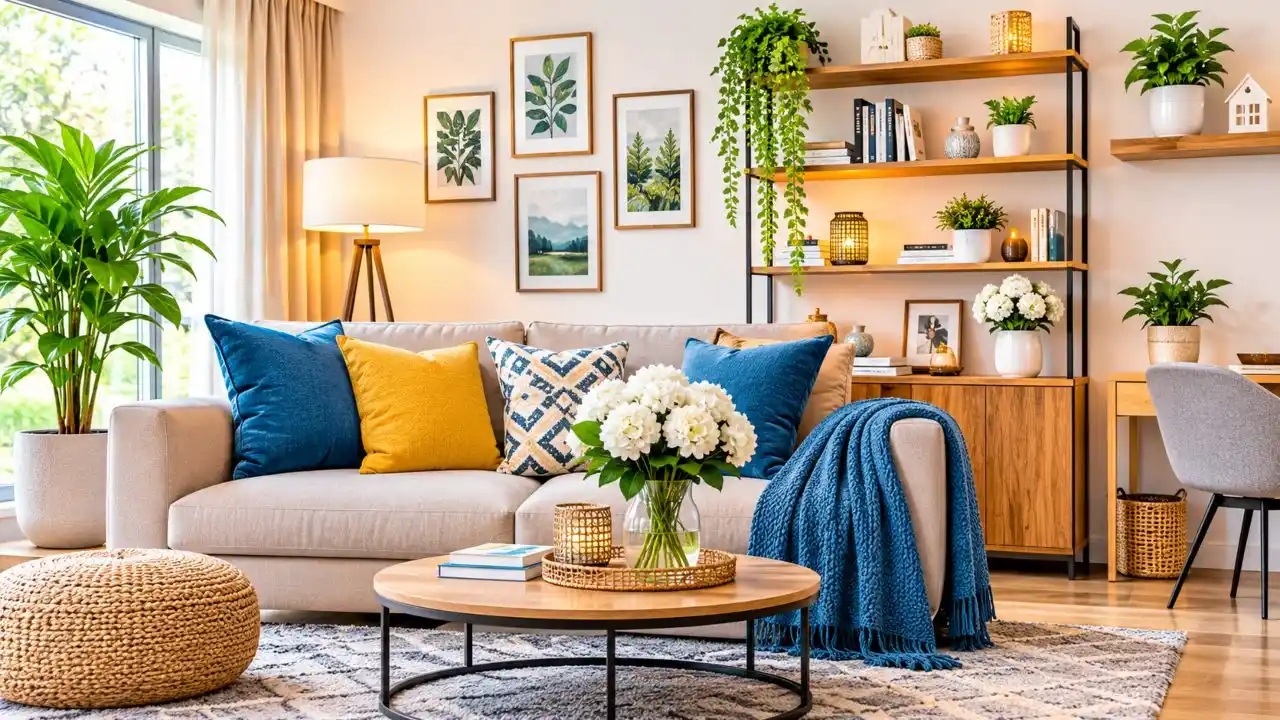
A comfortable home does not always require expensive furniture, major renovations, or professional decorating services. Sometimes, a few thoughtful changes can make a room more attractive, organised, and enjoyable. From creative storage solutions to personalised decorations, the right ideas can help homeowners use the spaces they already have better.
CoolIdeas TheHomeTrotters com is a search term associated with creative home inspiration, practical decorating suggestions, and fresh approaches to everyday living. People interested in this topic may be looking for ways to refresh their interiors, improve smaller spaces, explore DIY projects, or discover affordable home improvements.
The main attraction of creative home ideas is their flexibility. A suggestion that works in a large family house can often be adapted for an apartment or a smaller property. The key is choosing changes that match personal preferences, available space, and everyday needs.
What Is CoolIdeas TheHomeTrotters com?
CoolIdeas TheHomeTrotters com relates to home inspiration and creative ideas that make residential spaces more functional and visually appealing. Its topics include interior decoration, furniture arrangements, practical home improvements, organisation, and lifestyle suggestions.
The concept encourages readers to look at familiar spaces differently. An unused corner might become a reading area, an empty wall could add storage, and an outdated piece of furniture could get a fresh look with a simple makeover.
Rather than treating decoration as an expensive activity, this approach focuses on thoughtful decisions. Homeowners can explore different styles, compare possibilities, and select ideas that suit their circumstances.
Online inspiration shouldn’t automatically be treated as professional construction advice. Decorative projects are generally suitable for personal experimentation, while electrical installations, structural changes, and complicated plumbing work may require qualified professionals.
Creative Ways to Improve Everyday Living Spaces
1. Give Your Living Room a Fresh Arrangement
The living room often serves several purposes. Family members use it for conversations, entertainment, relaxation, and sometimes work. Its arrangement should support these activities without making the space feel crowded.
Start by examining the existing furniture. Consider whether the sofa blocks a walkway or whether a table occupies space that could be used more effectively. Moving furniture away from walls can sometimes create a more balanced arrangement, depending on the room’s dimensions.
You can also introduce a small reading corner with a comfortable chair, a floor lamp, and a compact side table. This creates a separate reading space without needing an extra room.
2. Make Small Rooms Feel More Spacious
Limited space does not mean sacrificing comfort or attractive design. The right furniture and storage choices can make smaller rooms easier to use.
Consider these practical adjustments:
- Choose furniture that matches the room’s actual dimensions.
- Install floating shelves to use available wall space.
- Use mirrors to reflect natural light.
- Select storage furniture that serves multiple purposes.
- Keep frequently used walkways free from unnecessary objects.
For example, a storage ottoman can provide seating while keeping blankets, magazines, or other belongings out of sight.
However, avoid purchasing multifunctional furniture simply because it offers several features. Check its dimensions, comfort, construction, and ease of use before deciding.
3. Personalise Your Home With Simple Decorations
A home feels more welcoming when its decoration reflects the people living there. Family photographs, artwork, travel souvenirs, handmade accessories, and meaningful objects can give rooms an individual character.
An effective way to arrange wall decorations is to plan their positions before making holes. Place the frames on the floor first and experiment with different arrangements. This helps you understand how the final display might look.
You can also mix textures with cushions, rugs, curtains, and decorative fabrics. Keeping a consistent colour relationship helps these elements work together without making the room look disorganised.
Budget-Friendly DIY Home Improvement Projects
Home improvement doesn’t always mean replacing expensive items. Several smaller projects can refresh familiar surroundings while keeping spending under control.
Refresh Old Furniture
Before replacing a wooden table, cabinet, or chair, consider whether you can repair or refinish it. Cleaning the surface, replacing damaged handles, sanding suitable wooden furniture, or applying an appropriate finish can improve its appearance.
Always check the material before selecting paint or finishing products. Not every surface responds well to the same treatment, and some materials require special preparation.
Improve Your Lighting
Lighting influences how a room looks and functions. A single ceiling fixture may provide general illumination, but additional lighting can make particular areas more comfortable.
For example, a reading corner may benefit from a dedicated lamp, while kitchen work surfaces need suitable task lighting. Warm lighting can create a relaxed atmosphere in living areas, while brighter task lighting can be useful where clear visibility matters.
Before changing bulbs or installing fixtures, check compatibility, electrical ratings, and manufacturer instructions.
Create Attractive Storage Areas
Storage can become part of the decoration when selected carefully. Woven baskets, wooden cabinets, decorative boxes, and wall-mounted shelves can keep everyday belongings organised.
A useful approach is to group similar items. Keep frequently used objects within easy reach, and store occasional items in less accessible areas.
This keeps attractive storage arrangements easy to maintain.
Bring Nature and Sustainable Materials Indoors
Natural materials can introduce warmth and texture into residential spaces. Wood, cotton, linen, bamboo, and woven materials work with many interior styles.
Indoor plants are another way to add natural detail. However, their placement should depend on sunlight, watering requirements, room temperature, and available space.
Choose plants based on the conditions you can provide, not just because they look attractive in photographs.
Sustainable decorating also involves making thoughtful purchasing decisions. Repairing existing furniture, buying durable products, reusing suitable materials, and avoiding unnecessary replacements can reduce waste.
When exploring CoolIdeas at TheHomeTrotters.com, readers can use this perspective to consider both appearance and the long-term usefulness of home improvements.
Smart Home Ideas Worth Considering
Technology can make certain household activities easier, but not every smart device belongs in a modern home.
Smart bulbs, programmable thermostats, video doorbells, and connected security systems are examples of products that may offer practical benefits.
Before purchasing a device, consider three things:
- Compatibility: Check whether the product works with your existing phone, network, or smart home system.
- Privacy: Review its data collection practices, account requirements, and security settings.
- Long-term costs: Consider subscriptions, replacement parts, electricity use, and maintenance.
For example, smart lighting may be useful when household members regularly forget to switch off lights. However, a conventional timer or ordinary energy-efficient bulb might provide a simpler solution for some homes.
Choose technology because it solves a genuine problem, not simply because it is available.
How to Choose the Right Home Ideas?
Finding inspiration is easy, but deciding which projects deserve time and money requires more thought.
Start by identifying a specific problem. Perhaps your bedroom lacks storage, your kitchen feels crowded, or your living room needs better lighting. A clear purpose makes it easier to compare possible solutions.
Next, consider your budget and available time. A decorative wall project may take an afternoon, while replacing kitchen cabinets can involve planning, measuring, installation, and extra costs.
It also helps to consider maintenance. Light-colored furniture may look attractive, but households with young children or pets might prefer materials that are easier to clean.
Before starting any project, follow these steps:
- Measure the available space accurately.
- Decide what improvement you want to achieve.
- Compare materials and their maintenance needs.
- Check the total cost, including tools and accessories.
- Consider safety and installation requirements.
- Complete one project before starting several others.
These steps reduce unnecessary purchases and help prevent unfinished projects from occupying valuable space.
Common Mistakes to Avoid When Decorating
A common mistake is copying an entire room design without considering differences between properties. Ceiling height, natural lighting, room dimensions, and existing furniture can affect the final result.
Another problem is purchasing decorative accessories before deciding on a clear arrangement. Too many unrelated objects can make even a spacious room feel crowded.
Homeowners should also avoid ignoring practical requirements. A beautiful rug that creates a tripping hazard or a shelf installed with unsuitable fixings can cause unnecessary problems.
Finally, do not rush into expensive changes because of a temporary decorating trend. Choose designs that suit your daily routine and that you will still enjoy after the trend passes.
Conclusion
A welcoming home comes from thoughtful choices, not expensive changes. Better furniture arrangements, practical storage, suitable lighting, personalised decorations, and carefully selected technology can improve everyday living.
CoolIdeas TheHomeTrotters com represents an interest in discovering creative home inspiration and applying useful ideas to different living environments. The best approach is to evaluate each suggestion according to your space, budget, safety requirements, and personal preferences.
Start with one improvement that solves a real problem. Once that change works well, you can gradually explore other projects and create a home that feels comfortable, organised, and genuinely yours.