

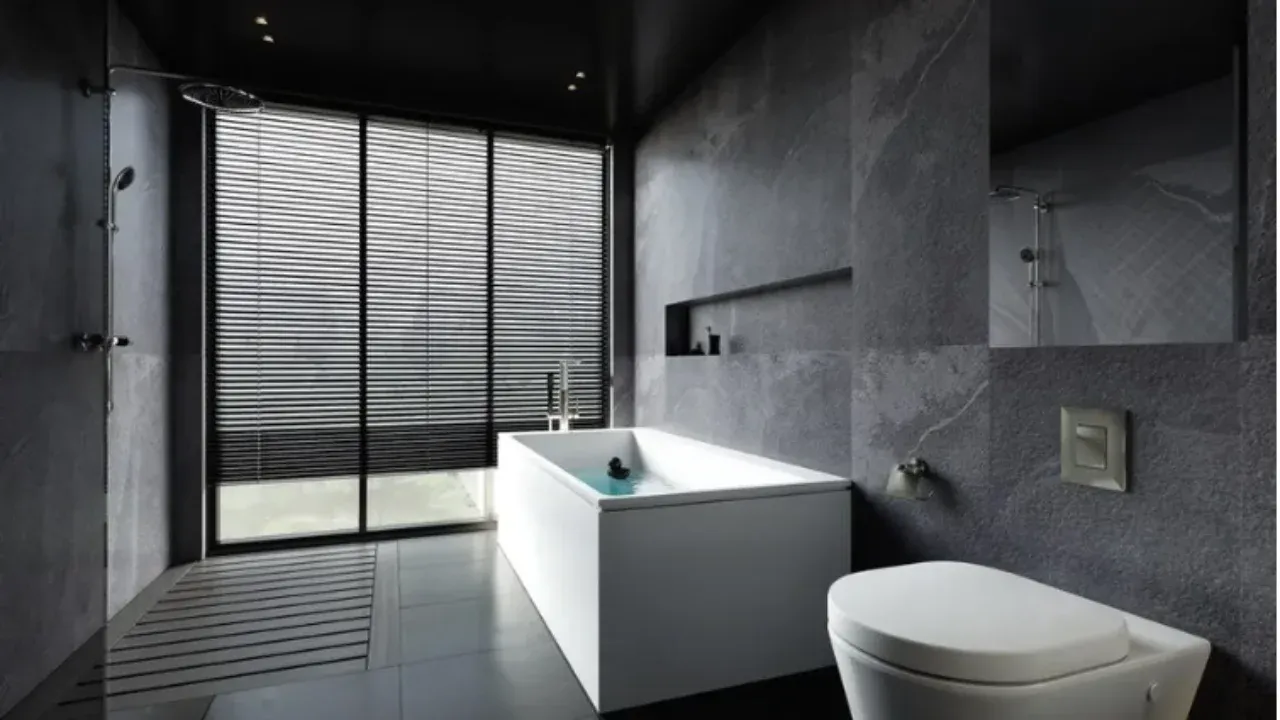
A freestanding bath is usually the first thing people mention when they describe the bathroom they want. It’s the centrepiece, the bit that makes a bathroom feel like a treat rather than a utility room. It’s also the part of a high-end bathroom that most often causes problems nobody thought about at the design stage.
The bath looks simple. What sits underneath it, behind it, and in the airing cupboard is where the planning goes. In Exeter we fit them into everything from Georgian townhouses to brand-new builds, and the same three questions come up every time: will the floor take it, will the hot water fill it, and where does the waste go? Here’s how to answer all three, and what a properly fitted freestanding bath really costs in 2026.
Will the Floor Take the Weight?
This is the question that gets skipped most often, and it matters more than people expect. A freestanding bath full of water, with someone in it, is one of the heaviest things you’ll ever put on an upstairs floor.
Rough figures for a full bath with an adult in it:
- Acrylic or steel bath: around 250kg to 350kg in total
- Stone resin bath: around 350kg to 450kg
- Cast iron roll-top: often 400kg to 500kg or more
On a ground floor slab, that’s not an issue. Upstairs, most of that weight sits on four feet or a narrow plinth, so it’s concentrated on a small area of the floor. What matters is how the joists run, how big they are, and whether a previous plumber has notched chunks out of them to run pipes, which happens a lot.
Before we commit to a heavy bath upstairs, we lift a few boards and check the joists. Often the fix is simple: a sheet of 18mm or 22mm plywood screwed down to spread the load, or a pair of extra noggins (short timbers fixed between joists) under the feet. Occasionally, on older floors with undersized or damaged joists, a structural engineer needs to look at it. That costs £300 to £600 for a visit and a calculation, which is money well spent before you put half a tonne on a Victorian floor.
Can Your Hot Water Fill It?
A large freestanding bath can hold 200 litres or more to the overflow, and most people fill them to around two thirds. That’s a lot of hot water in one go.
- Combi boilers heat water on demand, so they’ll fill the bath eventually, but slowly. A 30kW combi typically delivers around 12 to 13 litres a minute at a sensible temperature, so a deep bath can take 12 to 15 minutes, and less when someone else turns a tap on.
- Hot water cylinders fill a bath fast, but the stored volume matters. An older 117-litre cylinder can run out before a big bath is full. An unvented cylinder of 180 to 250 litres is much more comfortable for a house with a large bath and a separate shower.
- Heat pumps usually store water at a lower temperature, so you need a bigger cylinder to get the same usable hot water.
If you’re planning a big bath and your hot water system is marginal, it’s far better to know at the design stage than on the first night. We look at the boiler or cylinder before we specify a bath, not after.
Where Does the Waste Go?
A built-in bath hides its waste and overflow behind a panel. A freestanding bath has nowhere to hide, so the waste has to run under the floor, and the pipe needs a steady fall to the soil stack.
On a suspended timber floor, that usually means running the waste between joists, which works well if the joists run the right way. If they run across the route, the pipe has to go through them, and there are strict limits on how big a hole you can drill and where before you weaken the joist. On concrete floors, the screed may need chasing out.
This is one of the main reasons the bath position in the room isn’t always where the mood board wants it. A good designer, such as the team at Luxury Bathrooms Exeter, will check the waste route before you fall in love with a layout. Sometimes moving the bath 30cm makes the difference between a straightforward job and lifting half the floor.
Taps: Wall, Deck or Floor-Standing
The taps change the plumbing more than people expect:
- Wall-mounted taps need a solid wall or a stud wall built out to hide the pipework. They look clean and suit a bath set against a wall.
- Deck-mounted taps fit on the bath rim. Only some freestanding baths have a tap ledge.
- Floor-standing bath fillers are the classic look for a bath in the middle of a room. The pipes come up through the floor, so they need fixing to something solid below, and the floor finish has to be planned around them.
Floor-standing fillers usually add £150 to £400 of labour compared with wall-mounted taps, because of the work under the floor.
Choosing the Material
- Acrylic: lightest and warmest to the touch, usually £600 to £2,000. A good thick acrylic bath feels solid; a cheap one flexes.
- Steel: enamelled steel is tough and holds its finish well, typically £1,000 to £3,000.
- Stone resin: smooth, heavy and keeps the water warm for longer. Expect £1,500 to £4,500.
- Cast iron: traditional roll-tops, very heavy and very durable, usually £1,500 to £4,000, with painted exteriors in any colour.
- Copper and natural stone: statement pieces, often £4,000 to £12,000 or more.
In Exeter’s Georgian and Regency houses around St Leonard’s and Pennsylvania, cast iron roll-tops and stone resin suit the proportions of the rooms. In the Victorian terraces of Heavitree and St Thomas, where bathrooms are often smaller, a slimmer back-to-wall freestanding bath can give the look without swallowing the room.
What It Really Costs
The bath is only part of the bill. For a high-end bathroom with a freestanding bath as the centrepiece, typical 2026 figures are:
- Bath: £1,000 to £5,000 for most quality options
- Bath filler or wall taps: £400 to £1,500
- Floor checks, strengthening and waste work: £300 to £1,200
- Fitting the bath and filler: £400 to £900
- Hot water upgrade if needed: £1,800 to £3,500 for a new unvented cylinder, fitted
As part of a complete luxury bathroom, including tiling, underfloor heating, lighting and a separate shower, most projects land between £15,000 and £30,000, with listed buildings and bespoke stonework going higher.
If you’d like a freestanding bath and want to know whether your floor and hot water will cope, Luxury Bathrooms Exeter can survey the room and give you a clear, itemised design and price. For more information, visit our website.
Frequently Asked Questions
Can I put a cast iron bath upstairs in an Exeter house?
Usually, yes, but the floor needs checking first. A full cast iron bath with someone in it can weigh 400kg to 500kg or more. Most floors only need plywood or extra noggins to spread the load, but older or damaged joists may need an engineer’s advice.
How long does a combi boiler take to fill a freestanding bath?
A typical combi delivers around 12 to 13 litres of hot water a minute, so a deep freestanding bath can take 12 to 15 minutes to fill. It’s slower if other taps are running. A large cylinder fills a bath much faster.
How much does it cost to fit a freestanding bath in Exeter?
Fitting alone is usually £400 to £900, plus £300 to £1,200 for floor checks, strengthening and the waste run. Including the bath and a good filler, most people spend £2,500 to £7,000 before tiling and other finishes.
Do freestanding baths need more space?
Yes. Allow at least 10cm to 15cm between the bath and the walls so you can clean behind it, and more if you want to walk around it. In smaller rooms, a back-to-wall freestanding bath is a sensible compromise.
Which freestanding bath keeps the water warm longest?
Stone resin and cast iron hold heat best because of their mass, although cast iron takes a while to warm up. Acrylic feels warm to the touch straight away but loses heat a little faster.