

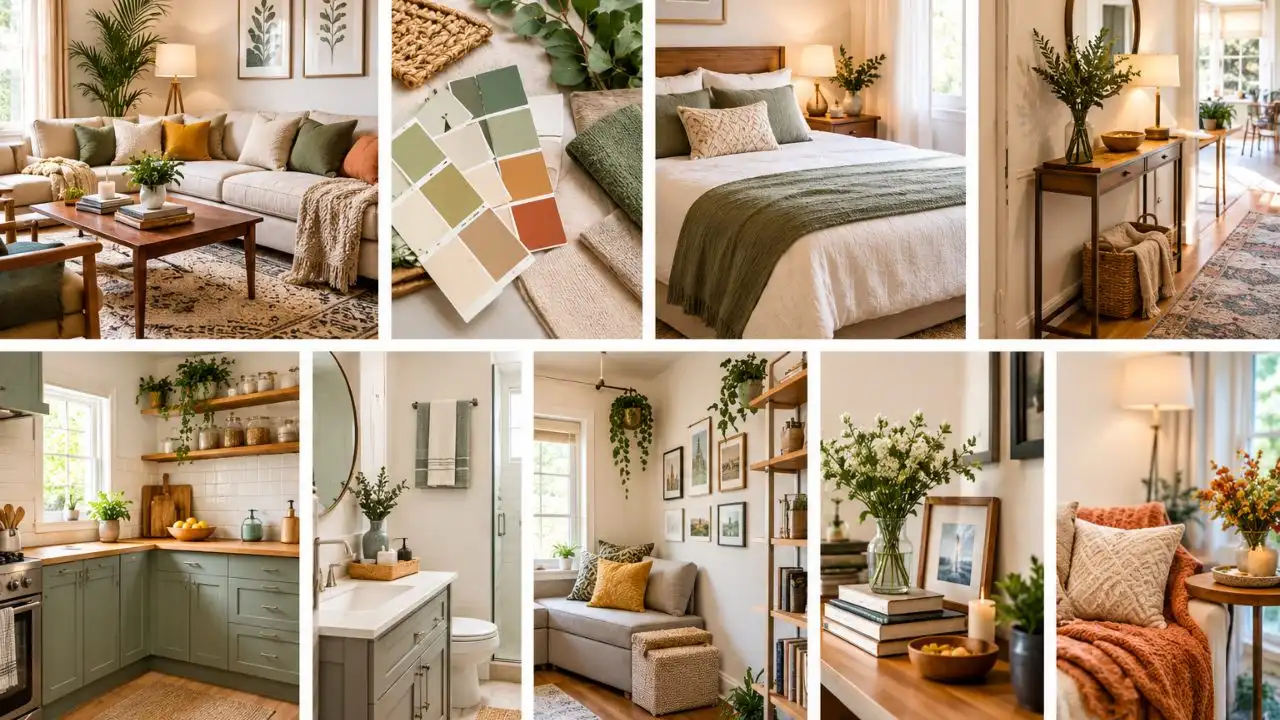
A room can look unfinished even when it contains attractive furniture. Sometimes the problem is poor lighting, mismatched colors, crowded surfaces, or decorations that do not suit the way people use the space. Good decorating starts by noticing these small issues before spending money on new items.
Thehometrotters .com home decor ideas can help readers explore ways to improve their living spaces, from arranging furniture to choosing wall art and adding texture. The most useful approach is to take inspiration from different styles and adapt each idea to your home, available space, and budget.
Whether you rent an apartment, own a family house, or want to refresh a single room, thoughtful changes can make your surroundings feel more comfortable without requiring a complete renovation.
1. Choose a Color Scheme Before Buying Decorations
Color influences how a room feels and how well its different elements work together. Before purchasing cushions, curtains, rugs, or artwork, choose two or three main colors that complement your existing furniture.
A practical starting point is to use a neutral base, such as warm white, beige, gray, or soft taupe. Add one or two accent colors through smaller items that are easy to replace.
For example, a living room with a beige sofa and wooden furniture might benefit from olive-green cushions, cream curtains, and a few darker accessories. The combination introduces contrast without making the room feel busy.
A common mistake: choosing several attractive items separately and discovering that they compete with one another. Check how new colors look beside your flooring, furniture, and wall paint before committing.
2. Make Your Living Room More Comfortable
The living room often serves several purposes. People watch television, entertain guests, read, and spend time with family in the same space. Its layout should support these activities rather than focus entirely on appearance.
Start by identifying the room’s main purpose. Arrange seating so people can talk comfortably and move around without squeezing between furniture.
A rug can help define the seating area, especially in an open-plan home. Choose a size that relates to the furniture instead of a small rug that appears disconnected from the sofa and chairs.
Add cushions and a throw blanket for texture, but avoid covering every available surface. A few coordinated pieces usually look more intentional than a large collection of unrelated accessories.
Lighting deserves equal attention. Combine overhead lighting with a table lamp or floor lamp where practical. Softer lighting can make an evening seating area feel more relaxed than relying on one bright ceiling fixture.
3. Use Bedroom Decor to Support Rest
A bedroom should feel calm and functional. Too many decorative objects can make it harder to keep the room tidy, while harsh lighting may feel uncomfortable at night.
Begin with the bed because it usually occupies the largest area. Clean bedding in complementary colors creates a clear visual foundation. Add a textured blanket or a pair of accent pillows if they suit your preferred style.
Bedside tables should hold the things you actually use, such as a reading light, a book, or a phone charger. If space is limited, consider wall-mounted shelves instead of bulky furniture.
Curtains also affect the room’s appearance and everyday comfort. Measure the window before shopping, and consider whether you need privacy, light control, or both.
For a smaller bedroom, choose furniture with useful storage and leave enough space to open drawers and walk around the bed. A room that looks attractive in photographs may still be inconvenient if its furniture blocks everyday movement.
4. Decorate Small Spaces Without Creating Clutter
Small rooms need careful editing rather than more decorations. Mirrors can reflect available light, while vertical shelves provide storage without taking up as much floor space as wide cabinets.
Use the wall area thoughtfully. A narrow bookcase, framed print, or small collection of pictures can add character without crowding the room.
Multifunctional furniture may also help. An ottoman with internal storage can hold blankets, while a console table can provide a landing spot for keys and mail.
Before buying anything, measure the available area and check the item’s depth as well as its width. Furniture that fits along a wall may still interfere with a doorway or walking path.
Thehometrotters .com home decor ideas are most useful when inspiration leads to practical decisions. Consider how each addition will affect storage, movement, cleaning, and the room’s existing layout.
5. Add Personality With Artwork and Accessories
Decorations should reflect the people who live in the home. Family photographs, travel souvenirs, handmade objects, and meaningful artwork can make a room feel personal without following a particular trend.
A gallery wall is one option for displaying several pieces together. Begin with the largest picture, then arrange smaller frames around it. Lay the frames on the floor first to test the composition before making holes in the wall.
Keep some space between the artwork and nearby furniture so the display does not feel cramped. Frames can match for a formal appearance or vary in style for a more relaxed look.
Plants can also add color and natural texture. Choose varieties according to the light available and the amount of care you can provide. If a room receives little natural light, check a plant’s requirements before placing it there.
Avoid filling every shelf with ornaments. Leaving a little empty space helps individual pieces stand out and makes dusting easier.
6. Refresh Your Kitchen and Bathroom
Kitchens and bathrooms benefit from decorations that do not interfere with their main functions. Countertops, sinks, and work areas need enough clear space for everyday tasks.
In the kitchen, matching storage jars, a simple fruit bowl, or a washable runner can introduce color without requiring new cabinets. Keep frequently used cooking tools accessible and move rarely used items out of the main work area.
In the bathroom, coordinated towels, a small tray, and a suitable mirror can improve the appearance without major construction. Choose materials that tolerate moisture, and avoid placing decorative items where they obstruct taps or collect water.
These rooms need practical maintenance as much as visual attention. Select accessories that are easy to clean and will not become another source of clutter.
7. Decorate on a Budget and Avoid Costly Mistakes
A home refresh does not need to begin with a shopping trip. First, move existing furniture, rearrange accessories, remove unnecessary clutter, and see whether items from another room could serve a new purpose.
Set a budget before buying anything. Spend first on changes that solve a visible problem, such as inadequate lighting, unsuitable curtains, or missing storage. Decorative extras can wait.
Before purchasing furniture or rugs, check measurements, material care instructions, return policies, and delivery costs. An inexpensive item may not represent good value if it wears quickly or cannot be returned.
Avoid buying a complete matching furniture set simply because it is convenient. Combining complementary finishes and shapes can create a more personal result, provided the pieces share a consistent color palette or design direction.
8. Make Seasonal Changes Without Redecorating Everything
Seasonal decorating works best when most of the room remains unchanged. In warmer months, lighter cushion covers, fresh flowers, and breathable fabrics can give a space a different feel. During colder months, textured blankets, warmer accent colors, and additional lamps may create a cozier setting.
Store seasonal accessories in labeled containers so you can find them easily and avoid unnecessary purchases each year.
Thehometrotters .com home decor ideas can serve as a starting point for these updates, but choose changes that suit your climate, household needs, and personal taste rather than following every trend.
Conclusion
Good home décor comes from making deliberate choices that balance appearance, comfort, and daily use. Start with one room, identify what needs improvement, and work with the furniture and accessories you already own.
Use a coordinated color scheme, improve lighting, measure before purchasing, and leave enough room for movement. By applying thehometrotters .com home decor ideas thoughtfully, you can create a home that feels more organized, welcoming, and personal without overspending.