

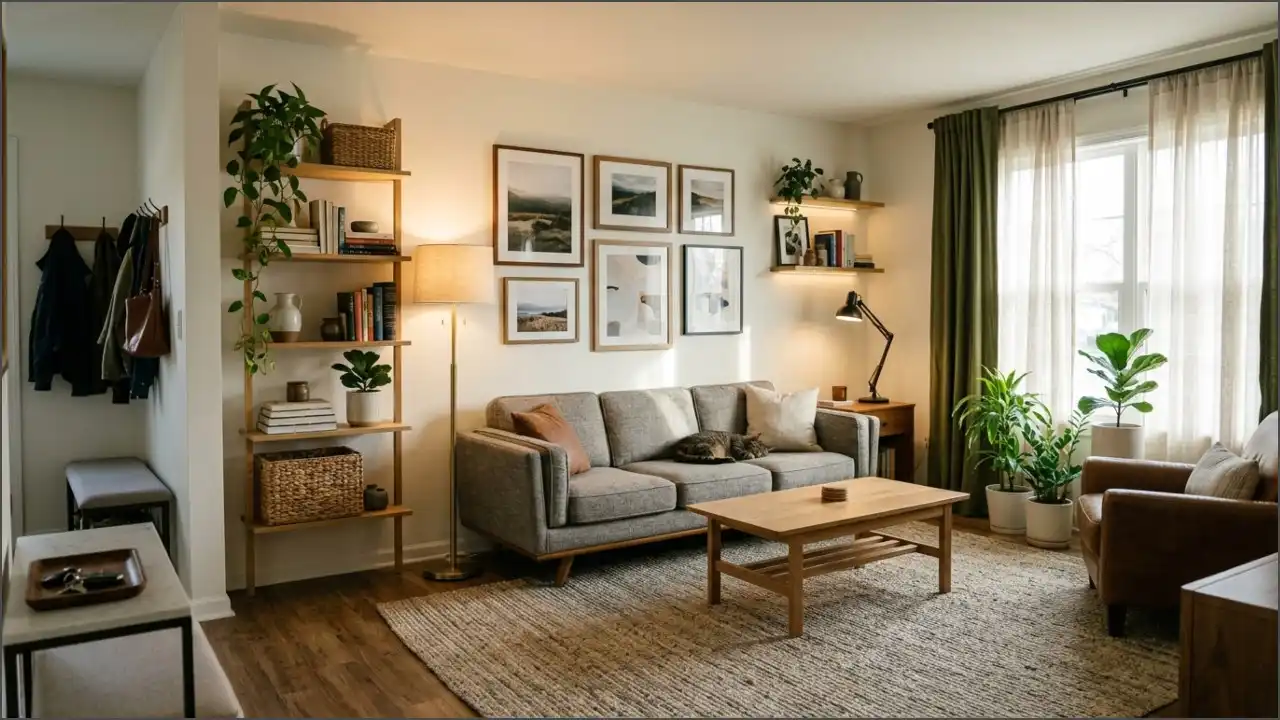
iDecorating a home often feels overwhelming when you are balancing aesthetics with practical daily living. Many interior design guides showcase pristine, picture perfect rooms that look stunning in photos but fall short when real life happens. Kids, pets, work from home setups, and limited square footage quickly reveal the flaws in overly formal layouts.
The philosophy behind curated design platforms like TheHomeTrotters centers on creating living spaces that are visually appealing, highly functional, and manageable on a realistic budget. Integrating thoughtful design principles allows you to transform your house into an inviting sanctuary without compromising utility or spending a fortune.
Here is a practical breakdown of home decor ideas thehometrotters enthusiasts use to design spaces that blend comfort, character, and durability.
1. Master the Layered Lighting Strategy
Light shapes how a room feels more than almost any other design element. Relying on a single overhead fixture creates harsh shadows and flattens your space. High performing interiors rely on a three tier lighting plan.
Ambient lighting serves as the base layer, usually consisting of recessed lights or a primary ceiling fixture. Task lighting provides targeted illumination for activities like reading, cooking, or working, which includes desk lamps, under cabinet LEDs, and adjustable wall sconces. Accent lighting adds soft light that draws attention to artwork, architectural features, or plant corners through picture lights and small table lamps.
For best results across all fixtures, switch to warm white LED bulbs between 2700K and 3000K to immediately make your rooms feel cohesive and inviting.
2. Balance Proportions with Rug Anchor Techniques
A common interior mistake is selecting an area rug that is too small for the room. When furniture sits completely outside the rug boundaries, the space feels disjointed and visually cramped.
When applying home decor ideas thehometrotters style, use logical layout rules. In the living room, ensure at least the front legs of all primary seating pieces sit on top of the rug and n the dining room, the rug should extend at least 24 inches beyond all sides of the dining table so chairs remain on the rug even when pulled out. In the bedroom, anchor the bottom two thirds of the bed, leaving ample padded walkway space on either side.
3. Style Multi Functional Wall Shelving
Vertical space offers prime real estate for both storage and expression. Floating shelves bring warmth to blank walls, but overpacking them creates visual clutter.
Use the Rule of Threes and alternate object heights to build balanced arrangements. For groupings, pair items in odd numbers, such as three books stacked horizontally, a small ceramic vessel, and a trailing plant like a pothos. Combine matte ceramic surfaces with woven wood baskets and glass vases to create rich texture contrast. Always leave roughly 30 percent of each shelf empty as negative space to let individual decor pieces stand out naturally.
4. Build a Cohesive Color Palette
A chaotic color scheme makes a home feel disorganized. Instead of picking completely different paints for every room, establish a main palette of three to five colors that flow throughout your home.
Distribute your palette using a balanced proportion rule:
60 percent should be your dominant base color, used for neutral walls and main sofas.
30 percent should be your secondary color, used for rugs, curtains, and accent furniture.
10 percent should be your accent pop color, used for throw pillows, blankets, and artwork.
By sticking to this distribution, you can easily shift decor items between rooms over time without worrying about color mismatches.
5. Incorporate Organic Textures for Warmth
Flat, synthetic materials often make spaces feel cold or institutional. Introducing natural textures brings tactile warmth and grounding energy into modern spaces.
Look for opportunities to introduce woven accents such as rattan baskets, jute area rugs, or cane backed chairs. Incorporate natural woods like unfinished oak, walnut, or reclaimed wood side tables. Expand your textile variety by hanging linen window drapery, layering chunky knit wool throws, and placing slub cotton cushion covers on seating.
Mixing these elements creates visual depth even within a neutral or monochrome color scheme.
6. Curate Large Scale Gallery Walls
Instead of scattering small picture frames across every wall, create a single, well thought out focal point. A sprawling gallery wall or a single large canvas anchors a room far better than several tiny frames.
To layout a gallery wall cleanly without damaging plaster, follow a structured process. Trace each frame onto craft paper and cut out the shapes. Use painter’s tape to arrange the paper cutouts on the wall until you find a pleasing balance. Maintain a consistent two to three inch gap between every frame to keep the layout clean. Finally, nail or hook into the center of your paper templates before removing the paper.
7. Elevate Entryways for Everyday Efficiency
The entryway sets the tone for your home and bears the brunt of daily foot traffic. To prevent shoes, keys, and bags from piling up, establish an entry hub that balances storage with styling.
Start with a functional base, such as a slim console table or low storage bench with hidden shoe compartments. Create a drop zone using a shallow tray for keys and mail, paired with wall hooks mounted at reachable heights. Add a reflective anchor by hanging a large wall mirror above the console table to reflect natural light and allow for quick check ins before heading out.
8. Prioritize Durable Kid and Pet Friendly Fabrics
High end design should survive real life. If you have pets or young children, select performance textiles for high traffic seating areas.
Performance velvet and microfiber offer excellent scratch resistance and easy spot cleaning. Genuine leather ages naturally and wipes down effortlessly, though it requires occasional conditioning. Slipcovered sofas are a staple in home decor ideas thehometrotters layouts, allowing you to wash or replace covers as needed without replacing the entire furniture piece.
Avoid delicate weaves or pure silk trims on main seating pieces, saving those materials for accent pillows or wall hangings out of reach.
9. Layer Window Treatments for Light Control
Single panel blinds often look incomplete. Pairing hard window treatments with soft drapery elevates window openings and improves insulation.
Mount curtain rods high and wide, roughly four to six inches above the window frame and extending eight to twelve inches past the sides. This simple adjustment makes ceilings feel higher and allows maximum daylight to enter when drapes are pulled open. Combine sheer linen panels for daytime privacy with lined blackout drapes for nighttime comfort.
10. Design Intentionally Green Corners
Plants instantly bring vitality to interior rooms, but placing them randomly can make spaces feel chaotic. Treat indoor plants as dynamic decorative objects.
Vary your plant heights by pairing tall floor plants like a Fiddle Leaf Fig or Snake Plant with medium sized tabletop pots. Maintain potted cohesion by using planters made from similar materials, such as terracotta, glazed ceramic, or woven seagrass. Always place plants according to their light requirements rather than purely aesthetic desires to ensure long term health.
Common Decorating Mistakes to Avoid
Even with the best ideas, a few simple oversights can throw off your home balance.
First, avoid pushing all furniture against walls. Floating your sofa away from the wall even just a few inches creates better traffic flow and makes rooms feel roomier.
Second, do not match everything from a single store display. Buying complete display sets yields a flat, showroom like atmosphere. Mix vintage, modern, and handcrafted pieces for a personal touch.
Third, avoid hanging artwork too high. Position the center of your artwork at eye level, roughly 57 to 60 inches from the floor.
Transforming Your Home Step by Step
Creating a space you love takes time. Instead of trying to update every room simultaneously, focus on one area at a time. Start by refining your lighting and adjusting furniture placements. As you build confidence, introduce new textures, curated wall art, and practical storage solutions.
By combining functional layouts with realistic design principles, these home decor ideas thehometrotters style will help you shape an inviting home tailored to your daily life. Focus on balance, practical materials, and personal comfort to build a living environment that stands the test of time.